
Adding a wind generator to a solar system can increase energy production when sunlight is limited, especially in locations with steady nighttime or seasonal winds. The upgrade works best with battery-based or off-grid solar setups, but it requires the right charge controller, battery capacity, wiring, and turbine protection. For a standard grid-tied solar array, additional equipment is usually needed before wind power can be safely and effectively integrated.
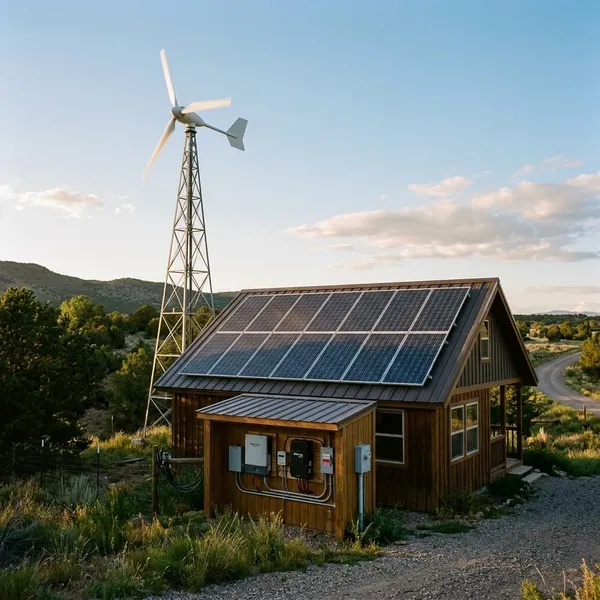
Can you add a wind generator to a solar system?
You can add wind to many solar setups, but it should be treated as a second charging source, not as another solar panel string. A wind turbine produces power differently from panels, especially in gusty weather, so the system needs the right charge control and a safe way to handle excess energy.
Solar and wind systems can share battery storage with proper design
Solar panels and a wind turbine can charge the same battery bank when both charging paths match the battery voltage and battery type. In most home-scale systems, solar uses a solar charge controller and wind uses a separate wind controller, with both feeding the same battery bank.
- Same battery voltage: the turbine controller must match the 12V, 24V, or 48V battery bank.
- Separate protection: each charging source should have suitable breakers, fuses, and disconnects.
- Wind diversion: many turbines need a dump load or braking method when the batteries are full.
Off-grid systems are the easiest to upgrade with wind power
Off-grid systems are usually the best candidates because they already rely on batteries and charge management. A cabin that struggles through cloudy winter weeks, for example, may benefit more from wind than a weekend shed that only needs lights in summer.
The warning is site quality. A turbine on a short pole behind trees can underperform even if the electrical setup is perfect.
Some grid-tied systems need extra equipment before adding wind
A standard grid-tied solar system without batteries is harder to expand with wind because it usually has no shared battery bank or DC charging bus. Adding wind may require a hybrid inverter, battery storage, a wind-specific interconnection, permits, and additional safety hardware.
How does a solar wind hybrid system work?
A solar wind hybrid system combines two charging sources into one battery-based power setup. Solar panels charge during daylight, while the turbine can add power when wind is strong enough, including at night or during unsettled weather.
Solar panels and wind turbines charge the same battery bank
The usual layout is simple in concept: panels go through a solar controller, the turbine goes through a wind controller, and both charge the same batteries. The inverter then draws from those batteries, regardless of whether the stored energy came from sun or wind.
This is most useful when the two sources complement each other. A remote home with good summer sun but windy winter storms is a better match than a sheltered suburban house where the air is turbulent and weak.
Wind controllers manage charging and excess energy
The wind controller is not optional. Unlike solar panels, a turbine may keep spinning when the battery is full, so the system needs a way to regulate, divert, or brake that energy.
For many small wind setups, that means using a diversion load that turns excess electricity into heat. The exact design depends on the turbine and battery system, but the safety question is always the same: what happens when the turbine is producing and the batteries cannot accept more charge?
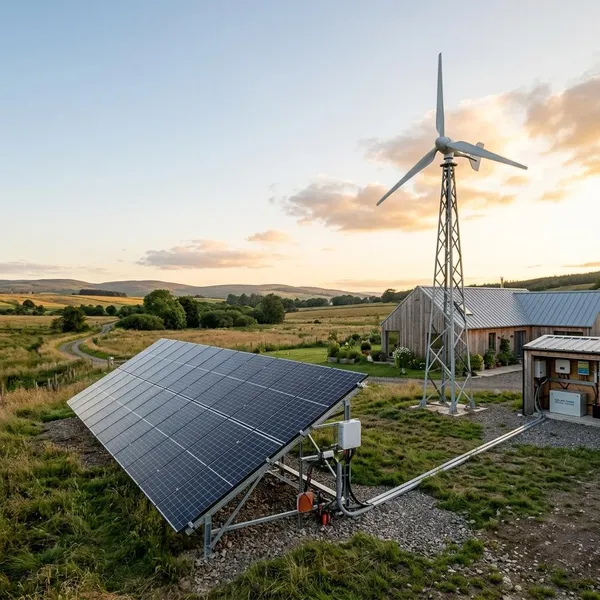
Which solar systems can add a wind generator?
The solar panels themselves are rarely the limiting factor. The real limits are the battery bank, inverter type, wiring capacity, controller compatibility, property layout, and local wind conditions.
Off-grid systems work best with wind integration
An off-grid system already has the basic architecture wind needs: batteries, charge control, disconnects, and an inverter serving loads from stored energy. Wind can be especially useful where a fuel generator currently fills long cloudy gaps.
Still, it is not a cure for poor planning. If the batteries are too small, the tower is too low, or the turbine is difficult to service, the upgrade can create more maintenance than value.
Battery-based systems support easier upgrades
Battery-based backup systems and hybrid solar systems are also good candidates, but they still need a compatibility check. Pay attention to battery chemistry, charge limits, and what the battery management system does if it rejects charging.
- Lead-acid banks: often easier to pair with traditional diversion-style wind charging.
- Lithium banks: can work, but the BMS, controller, and inverter settings must be coordinated carefully.
- Small backup batteries: may not justify a turbine unless the wind resource is strong and consistent.
Grid-tied systems need additional connection equipment
Grid-tied solar without batteries is usually the least convenient starting point. You may need a separate wind inverter, a battery-based critical-load system, or a redesigned hybrid platform before the turbine can be integrated properly.
For a typical neighborhood home with limited space, nearby trees, and no existing battery bank, the practical answer is often to expand solar first. Wind is more attractive on open rural land, ridge sites, coastal locations, or properties where taller tower placement is realistic.
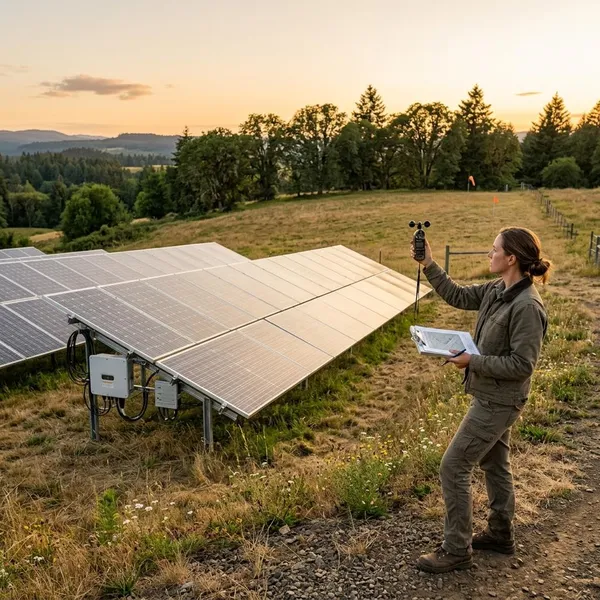
What should you check before adding wind power?
Check the site first, then the electrical system. A turbine with poor airflow will disappoint, and a turbine with the wrong controller can create a safety problem.
Use this order before buying equipment:
- Confirm that the site has clean, consistent wind at the planned tower height.
- Check battery voltage, chemistry, and charging limits.
- Match the turbine to a wind controller and diversion method.
- Review inverter capacity, wiring length, grounding, breakers, and disconnects.
- Compare the full cost against more solar panels or more battery storage.How do you add a wind generator to a solar system?
The safest process is to prove the wind resource first, then choose the turbine, then design the charging path. Buying a turbine first and trying to make the rest of the system fit is one of the most common ways these projects go wrong.
Check wind conditions before choosing a location
Look at wind at the height where the turbine will actually sit, not at ground level beside the house. Occasional strong gusts do not matter as much as steady annual wind in clean airflow.
Rooftop mounting is usually tempting but often poor for small turbines because rooflines create turbulence, vibration, and noise. Open land, ridge exposure, or a clear coastal site is much more promising than a backyard surrounded by trees and buildings.
Select components that match the existing system
Once the site looks realistic, match the equipment around the existing battery system. The turbine, rectifier if required, wind controller, dump load, disconnects, breakers, wire size, tower hardware, and grounding plan should be selected together.
| Decision point | What to verify | Why it matters |
|---|---|---|
| Battery bank | Voltage, chemistry, usable capacity | Prevents charging mismatch and over-stressing the bank |
| Turbine choice | Power curve and expected output at local wind speeds | A high peak rating may not mean useful daily energy |
| Controller setup | Diversion load, braking, disconnect behavior | Keeps the turbine controlled when batteries are full |
| Wiring route | Distance, cable size, protection, grounding | Reduces voltage drop, heat, and fault risk |
Connect the charging system and test performance
Installation normally routes turbine output through the correct wind-side electronics before reaching the battery bank. After connection, test more than "does it charge?" Confirm that the controller behaves correctly, the dump load activates when needed, breakers are labeled, grounding is complete, and the tower shows no unusual vibration.
Judge performance over weeks, not one windy afternoon. A useful hybrid setup should reduce real energy gaps, generator runtime, or battery stress across normal weather patterns.
Should you add wind power or more solar panels?
This is often the better question than whether wind can be added at all. Wind can be valuable, but more solar is usually simpler, quieter, easier to predict, and easier to maintain.
Wind helps when power is available outside sunny hours
Wind is most useful when it fills a gap solar cannot cover well. If your batteries often dip overnight, during winter storms, or through several cloudy days, a well-sited turbine may add resilience.
That makes sense for a year-round off-grid cabin in a windy area. It makes much less sense for a summer-only setup where solar already covers the load and the turbine would sit idle or add maintenance.
More solar works better in sunny locations
More solar panels are often the better upgrade when you have good sun, available roof or ground space, and weak or turbulent wind. Solar output is easier to estimate, and the equipment usually needs less routine attention than a small turbine on a tower.
The better choice depends on cost and energy needs
Compare the whole project, not just the price of the turbine. Wind costs can include the tower, foundation or guy wires, trenching, larger cable, controller, dump load, disconnects, permits, and future maintenance.
A practical rule of thumb: choose wind when the site has clean wind that arrives when solar is weak; choose more solar when sunlight is reliable and the turbine would need compromises on height, space, noise, or service access.
Conclusion
A wind generator is a sensible solar upgrade only when the site has usable wind and the existing system can accept a second charging source safely. Start with wind conditions and battery compatibility, then look at controllers, diversion loads, wiring, grounding, and cost; if several of those checks look difficult, more solar or more battery storage will usually be the cleaner choice.