
Choosing an all in one home energy storage system comes down to matching the system to your real household needs, not just picking the largest battery. A good setup should support the loads you care about during outages, connect smoothly with solar panels or the grid, and remain simple enough for safe, reliable installation without requiring a complicated custom electrical project.

What Is an All in One Home Energy Storage System?
An all-in-one home energy storage system puts the main parts of a home battery setup into one coordinated package. Instead of choosing a battery from one brand, an inverter from another, and separate controls, the system is designed to store, convert, and manage electricity together.
It combines a battery, inverter, and energy controls
The battery stores electricity, the inverter converts that electricity into usable household power, and the control system decides when to charge, discharge, or hold reserve energy. The practical benefit is that these parts are built to communicate with each other instead of being pieced together separately on site.
- Battery: stores energy, usually measured in kWh.
- Inverter: determines how much power can be supplied at once.
- Controls: manage solar input, grid use, backup reserve, and operating modes.
It stores and manages power for home use
A home battery is most useful when it follows your actual routine. If you have solar panels, it can store extra midday production and use it later when cooking, lighting, device charging, or cooling demand rises. If you do not have solar, some systems can charge from the grid for backup or time-of-use savings, depending on the model and local rules.
It provides backup power and solar energy support
During an outage, a properly configured system can power selected circuits automatically or with minimal interruption. The most sensible starting point is usually essential loads: refrigeration, basic lighting, internet equipment, a garage door opener, a sump pump, or medical equipment if needed.
How Does an All in One Home Energy Storage System Work?
The system watches four things at once: solar production, battery level, home electricity demand, and grid availability. Its job is to move electricity to the place where it is most useful, whether that means powering the home now, charging the battery, exporting power, or holding energy for backup.
Solar panels provide energy during the day
With solar connected, daytime production usually serves the home first. If the air conditioner, kitchen appliances, or electronics are running while the sun is strong, that power may come directly from the solar array instead of the utility.
The battery stores extra power for later use
When solar production is higher than the home's immediate demand, the extra energy can charge the battery. Later, the system can discharge that energy during evening use, overnight loads, or a grid outage.
Pay attention to usable capacity, not only the advertised battery size. Some energy may be reserved by the system for battery protection, backup settings, or operating limits.
The inverter manages energy conversion and supply
The inverter is where many buying mistakes show up. A battery might store enough energy to last several hours, but if the inverter cannot deliver enough power at one time, larger loads may not start or may trip the system.
Check continuous output for normal running loads and surge output for equipment with motors or compressors. Refrigerators, well pumps, sump pumps, and some HVAC equipment can need a much higher burst of power at startup than they use once running.
The system balances solar, battery, and grid power
The controls follow the operating priority you choose. A backup-focused household may keep a larger battery reserve. A solar-focused household may discharge more aggressively in the evening. A home on time-of-use pricing may schedule battery use during expensive rate periods.
- Backup priority: keep more energy saved for outages.
- Solar self-use: store daytime surplus for night use.
- Bill management: shift energy away from peak-rate hours where tariffs allow it.
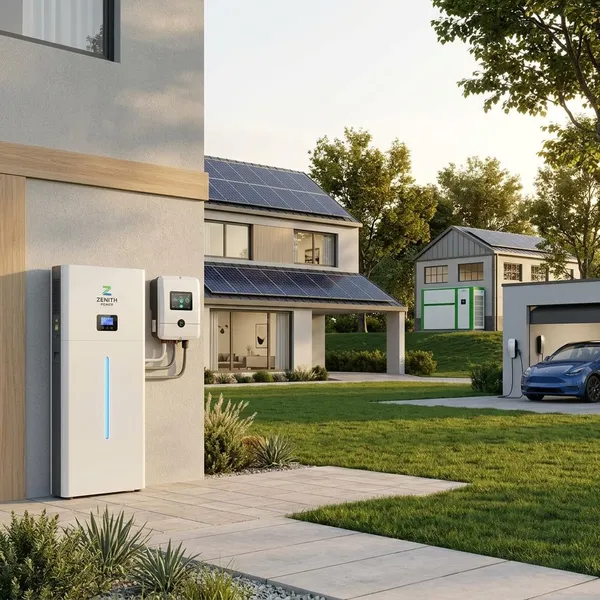
Where Can All in One Energy Storage Systems Be Used?
These systems are most common in single-family homes, especially where homeowners want backup power, better solar self-consumption, or some protection from peak electricity rates. They can also suit cabins, rural homes, and vacation properties if the electrical setup, code rules, and installation environment are appropriate.
They provide backup power during outages
Backup power is often the strongest reason to install one. The system can keep selected circuits running when the grid is down, without the noise, fuel storage, and regular engine maintenance of a portable generator.
Do not assume "home battery" means "whole home backup." A smaller setup may be excellent for a refrigerator, lights, internet, and a sump pump, but not suitable for electric heating, central air conditioning, or multiple large appliances at the same time.
They store solar energy for nighttime use
Solar panels often produce the most power when nobody is home, while many households use more electricity in the evening. Storage helps move that daytime production into the hours when it is actually needed.
This is especially useful in places where exported solar power earns less than purchased grid power costs. In that situation, using your own stored solar energy can be more valuable than sending all surplus electricity back to the grid.
They help reduce peak electricity costs
Peak-rate savings depend heavily on your utility tariff. If evening electricity is much more expensive than off-peak power, the battery may help reduce bills by discharging during those hours. If your rate is flat, this benefit may be minor.
Before giving this reason too much weight, check your bill for time-of-use periods, demand charges, export credits, and any rules about grid charging. The financial case can change quickly from one utility area to another.
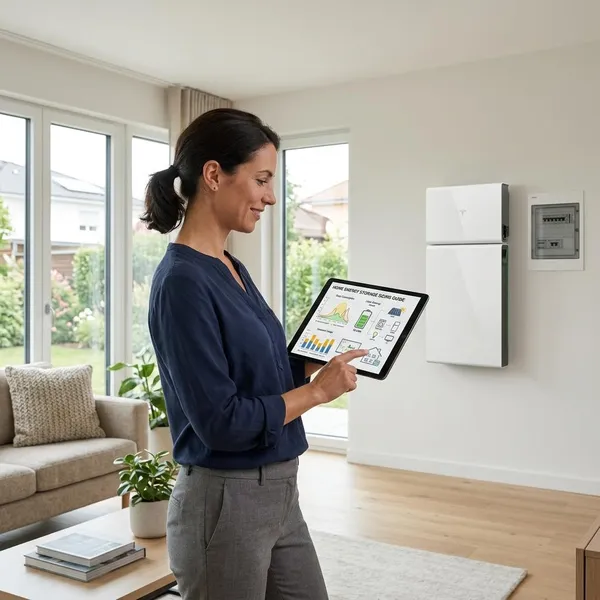
How to Install an All in One Home Energy System Safely?
Installation is not the place to improvise. A home storage system connects to serious electrical equipment, may interact with solar, and often requires permits, inspections, utility approval, and manufacturer-specific commissioning.
For most homeowners, the safest path is to use a qualified installer who has worked with the exact system before. That reduces the risk of a clean-looking installation that later fails inspection, limits backup performance, or creates service problems.
Check solar and grid connection requirements
Confirm how the system connects before buying it. Some products are designed for new solar installations, some can be added to existing solar, and some work better as grid-charged backup systems. Local utility rules may also affect export settings, grid charging, and interconnection approval.
If you already have solar, ask whether your current inverter and panel layout are compatible. This is one of the main points where an all-in-one system can be easier than a separate battery and inverter setup, but it is not automatically compatible with every home.
Choose a suitable installation location
The right location should satisfy code, manufacturer instructions, service access, and the battery's environmental limits. Garages, utility rooms, basements, and sheltered exterior walls may all be possible depending on the product and climate.
- Avoid tight corners: installers and service technicians need working clearance.
- Watch temperature: excessive heat or cold can affect performance and battery life.
- Keep access simple: emergency shutdowns, inspections, and app troubleshooting should not be awkward.
Follow safety and maintenance requirements
Modern systems usually include battery management, monitoring, and electrical protections, but those features depend on correct installation and normal operating conditions. Follow the manufacturer's guidance for alerts, software updates, inspections, and shutdown procedures.
Be especially cautious if the battery will support medical equipment, a sump pump in a flood-prone basement, or refrigeration during frequent outages. Those are higher-consequence situations, so the design should include enough reserve, realistic runtime expectations, and a clear backup plan if the outage lasts longer than expected.
How to Choose the Right All in One System?
The best system is not automatically the largest or the most advanced. It is the one that fits your main goal, your electrical panel, your solar plans, your budget, and the level of backup you realistically need.
Start with the decision that matters most: backup resilience, solar self-use, or electricity cost control. After that, compare the specifications that change real-life performance rather than focusing only on brand claims.
Match the system with your energy goals
If outages are your main concern, prioritize transfer behavior, supported backup circuits, inverter output, and reserve settings. If solar use is the goal, prioritize usable capacity, solar charging behavior, and whether the battery can recharge during an outage if that matters to you.
For a vacation home, remote monitoring and dependable standby behavior may be more important than daily bill savings. For a full-time household on time-of-use pricing, flexible scheduling may matter more than extra capacity that rarely gets used.
Compare capacity, output, and compatibility
Compare usable kWh, continuous kW, surge rating, expansion options, operating temperature range, app controls, and compatibility with your current or planned solar equipment. These details tell you far more than a simple battery-size number.
Integrated systems are often simpler to buy and support, while separate battery and inverter designs may offer more customization for unusual homes. If your electrical setup is straightforward, all-in-one simplicity can be a real advantage. If your home has complex loads or an existing solar system, compatibility should be checked early.
Check warranty and installer support
Read the warranty beyond the headline number of years. Look for retained capacity terms, throughput or cycle limits, labor coverage, transferability, and what happens if the installer is no longer available.
Installer support deserves the same attention as hardware. Ask whether they handle permits, utility paperwork, backup panel design, monitoring setup, firmware updates, and post-install service. A slightly cheaper system can become frustrating if no one can support it properly after installation.
Conclusion
An all-in-one system makes the most sense when it solves a clear household problem: keeping essentials running, using more solar power at home, or avoiding expensive peak-rate electricity. Check your loads first, then match capacity, inverter output, compatibility, location, and installer support to that goal; if those pieces do not line up, a bigger battery will not fix the mismatch.