
Choosing between a backup power inverter vs generator for outages depends mainly on outage length, power demand, and where you need to use the equipment. A battery inverter is usually the better fit for quiet, indoor, short-term backup for essentials like phones, routers, lights, laptops, and small appliances. A generator is the stronger option for longer outages, heavier loads, or critical systems such as sump pumps, refrigerators, heating equipment, well pumps, and medical devices that cannot afford extended downtime.
What Is a Backup Power Inverter?
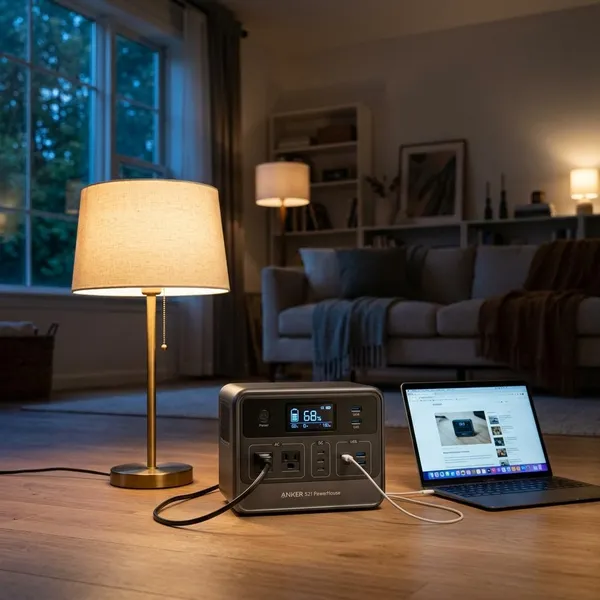
A backup power inverter gives you usable household electricity from stored battery energy. It does not create power on its own the way a fuel-powered generator does. Its usefulness depends on two things: how much power it can deliver at once, and how much energy the battery can store.
That makes inverters especially practical for short outages, apartments, overnight backup, and situations where noise or exhaust would be a problem. The tradeoff is simple: once the battery is empty, the backup ends unless you can recharge it.
It uses stored battery energy during outages
The battery must be charged before the outage. That charge may come from the wall, solar panels, a vehicle outlet, or another charging source depending on the system. During a blackout, the inverter draws from that stored energy to run selected devices.
Runtime is the first limit to check. A small power station may be fine for phones, Wi-Fi, and a lamp for an evening, but it may not be enough for a refrigerator overnight. A larger home battery can last longer, but only if your selected loads are realistic.
It converts battery power into usable electricity
Batteries store DC power, while most household devices use AC power. The inverter converts that battery power into electricity your outlets and appliances can use. For sensitive electronics, medical devices, and many modern appliances, a pure sine wave inverter is usually the safer choice than a cheaper modified sine wave model.
What Is a Generator?
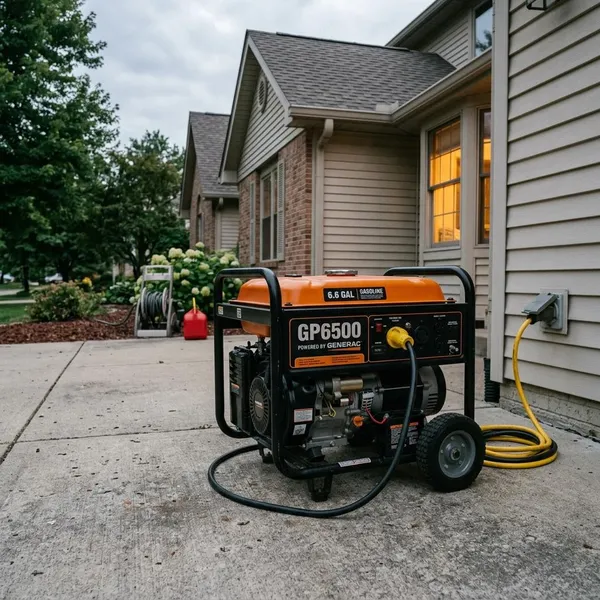
A generator produces electricity by running an engine on fuel. Common options include gasoline, propane, diesel, and natural gas. Unlike a battery inverter, a generator can keep producing power as long as it has fuel, safe ventilation, and proper maintenance.
This is why generators are still common for storms, rural outages, multi-day blackouts, and homes with pumps or larger appliances. They are more demanding to own, but they solve a different problem: endurance.
It creates electricity from fuel during outages
A generator turns fuel into mechanical energy and then into electricity. Gasoline models are common and relatively easy to buy, propane stores better for many homeowners, and standby generators often use natural gas or propane for automatic backup.
The fuel choice matters in real life. If roads are blocked after a storm, gasoline may be hard to find. If you rely on propane, the tank size has to match your expected runtime. A generator is powerful, but it is only as useful as your fuel plan.
It supports high-power loads for longer periods
Generators are usually better for loads that draw a lot of power or need to run for many hours. That can include refrigerators, freezers, sump pumps, well pumps, furnace blowers, microwaves, and some heating or cooling equipment.
The key advantage is not just higher wattage. Motors and compressors often need extra power when they start. A properly sized generator usually gives you more headroom for those startup surges than a small battery inverter.
Which Option Works Better for Different Outages?
The better option changes with the outage. A two-hour evening blackout is a battery inverter problem. A three-day storm outage with a sump pump, freezer, and furnace blower is more likely a generator problem.
Before comparing products, sort your outage risk into a practical category.
| Outage situation | Better fit | Why it works |
|---|---|---|
| Short evening outage | Battery inverter | Quiet, indoor-safe, and enough for lights, Wi-Fi, and charging |
| Overnight outage with basic essentials | Larger battery inverter | Useful if the battery capacity matches your must-run devices |
| Multi-day storm outage | Generator | Fuel can extend runtime beyond stored battery capacity |
| Mixed short and long outages | Hybrid setup | Battery handles quiet backup; generator adds endurance |
What Can Backup Inverters and Generators Power?
Do not choose by the biggest number on the product page. Choose by your must-run list. The first items to check are usually refrigeration, communication, lighting, medical equipment, pumps, and any heating-related equipment your home depends on.
For each device, you need to think about three things: running power, startup surge, and how long it needs to operate. A backup system that can start a device for five minutes may still be the wrong choice if it cannot keep it running through the night.
Inverters support lights, Wi-Fi, and small electronics
Battery inverters are excellent for low-watt essentials: LED lights, phones, laptops, tablets, routers, modems, small fans, and many small medical devices. These loads are manageable because they do not usually have heavy startup surges.
If your main goal is communication and basic comfort, an inverter is often the cleanest solution. It avoids fuel storage, engine noise, and outdoor setup during bad weather.
Both options support refrigerators and essential devices
Both can run a refrigerator if the system is sized for the refrigerator's startup surge and runtime. This is where buyers often make mistakes: they look at the running wattage and forget that the compressor may need more power when it starts.
For a refrigerator, freezer, CPAP machine, or sump pump, check the appliance label and the backup unit's surge rating. If the appliance is critical, leave extra margin instead of buying a unit that barely meets the number on paper.
Which Backup Option Fits Your Home?
Your home type matters as much as the device itself. A renter with no outdoor space has a very different backup plan from a homeowner with a basement sump pump. The right choice should match where you live, what you can safely operate, and what would actually create trouble if the power stayed off.
Apartments need compact and quiet backup
Apartments and condos usually favor battery inverters. Generators are often restricted by building rules, fuel storage limits, noise, and the need for safe outdoor placement far from openings.
For apartment use, focus on a realistic small-load setup: phone charging, Wi-Fi, a laptop, a light, and maybe a fan. If you want refrigerator backup too, choose a larger battery unit and confirm both surge support and expected runtime before relying on it.
Homes with essential loads need reliable power
Single-family homes should start with consequences, not gadgets. Losing Wi-Fi for two hours is annoying. Losing a sump pump during heavy rain or a refrigerator during a long summer outage is a bigger problem.
If your essential list is modest, a battery inverter or home battery may be enough for short outages. If your list includes pumps, heating support, or several appliances at once, a generator becomes much more convincing.
Hybrid setups combine both backup methods
Hybrid backup is useful when you want convenience most days and endurance when conditions get worse. A battery can handle the first few hours quietly, while a generator can extend runtime or support heavier loads later.
This setup is especially sensible for homes with mixed outage patterns: short utility interruptions most of the year, but occasional storm outages that last much longer. It also gives you more options if fuel is limited or if you do not want to run an engine all night.
What Mistakes Should You Avoid When Comparing Options?
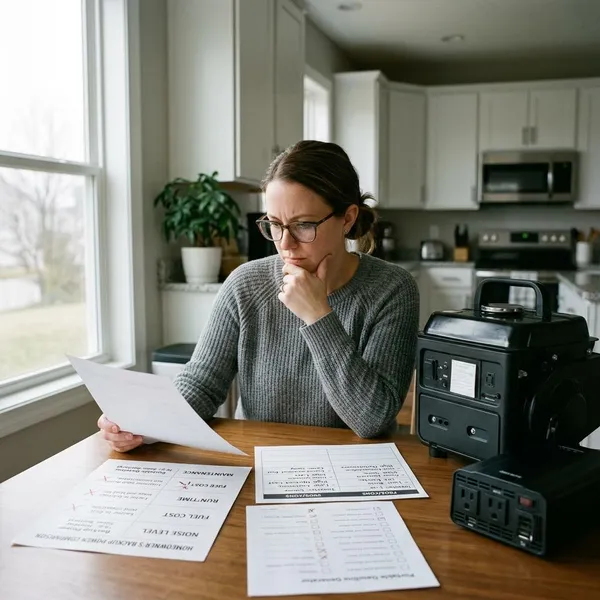
The biggest mistake is treating backup power like a simple wattage contest. Outages are practical events, not lab tests. Appliances cycle, motors surge, batteries drain, fuel runs out, and bad weather makes awkward setups even harder to use.
A better comparison starts with priority: what must run first, what can wait, and what is not worth powering during an emergency.
Choosing only by power rating
A high output rating does not automatically mean the system is right for your home. For batteries, capacity and charging options matter as much as inverter wattage. For generators, continuous output, fuel type, noise, connection method, and maintenance matter too.
If two systems look similar, compare them against your actual emergency list. The better one is not always the largest; it is the one that can safely run your priority loads for the outage length you expect.
Ignoring surge loads and runtime needs
Surge loads are the short bursts of power needed when motors and compressors start. Refrigerators, freezers, sump pumps, well pumps, and furnace blowers can all need more power at startup than during normal running.
- List your must-run devices. Separate true essentials from comfort items.
- Check running and startup demand. Use the appliance label or manufacturer information when available.
- Estimate runtime. Decide whether each item needs minutes, hours, overnight support, or multi-day backup.
- Leave margin. Avoid sizing a system at the absolute limit.
Overlooking installation and safety requirements
Generators and panel-connected battery systems need safe connection methods. Backfeeding a home through an outlet is dangerous and should not be part of any outage plan. If you want to power home circuits, ask a qualified electrician about a transfer switch, interlock, essential-load panel, or the correct setup for your equipment.
Portable batteries are simpler when you plug devices directly into them, but larger installed systems still need proper wiring and code-compliant planning. The cheapest backup option is not a good deal if it cannot be used safely when the lights go out.
Conclusion
Choose a battery inverter if your main need is quiet, simple backup for short outages and smaller essentials; choose a generator if your home needs longer runtime, heavier loads, or support for pumps and major appliances. If both situations apply, a hybrid setup is often the most practical answer because it lets you use battery power when convenience matters and generator power when endurance matters.