
Solar panels produce DC electricity, while most homes and utility grids use AC, so an inverter is what makes the power usable. If you are planning an inverter dc to ac solar panel setup, the first thing to check is not the brand name but whether the inverter matches your system type, loads, grid connection, and any battery plans.
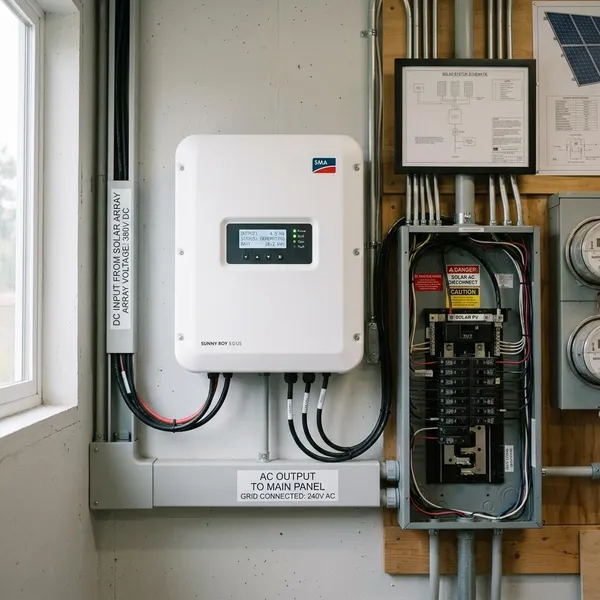
What does DC to AC mean in a solar system?
DC to AC means changing the one-direction electrical output from solar panels into alternating current that standard home circuits can use. The conversion matters because solar production, household wiring, batteries, and the grid do not all work in the same electrical form.
Solar panels produce DC electricity
A solar panel's output is direct current. When sunlight hits the photovoltaic cells, the electrical flow moves in one direction, so the panel itself is not producing the same kind of power that comes from a wall outlet.
The exact voltage and current change with sunlight, shade, temperature, and how the panels are wired. That is why raw panel output is not something you simply connect to normal household wiring.
Solar inverters convert DC into AC
The inverter is the translator between the solar array and the loads you actually want to run. It takes DC input from the panels and creates AC output at the voltage and frequency required by the home system or utility connection.
Modern solar inverters usually do more than convert power. They may track the best operating point for the panels, monitor faults, limit unsafe output, and communicate with batteries or monitoring apps, depending on the model.
Homes and the grid use AC power
Most home circuits, outlets, appliances, and utility distribution systems are built around AC power. Refrigerators, washing machines, HVAC equipment, lighting circuits, and standard plug-in devices expect stable AC from the electrical panel.
There are small DC exceptions, such as camping equipment, low-voltage lights, or electronics that use adapters. For a normal house, though, trying to skip the inverter is the wrong path; the practical setup needs proper AC output and electrical protection.
How does a solar inverter convert DC to AC?
A solar inverter converts DC to AC by using power electronics to switch, shape, filter, and synchronize the electricity. The simple version is easy to picture: panels send DC in, the inverter reshapes it, and usable AC comes out.
Solar panels generate DC power
The conversion process starts at the solar array. In a string inverter system, multiple panels are wired together and send combined DC power to one inverter. In a microinverter system, each panel has its own small inverter mounted near the module.
This difference matters in real life. A simple, unshaded roof may work well with a string inverter, while a roof with different angles, chimneys, or afternoon shade may benefit from panel-level conversion or optimization.
The inverter converts DC into AC
Inside the inverter, electronic switches rapidly control the DC flow and create an alternating waveform. Filters then smooth that waveform so the output is suitable for the electrical system it connects to.
- DC enters: panel output arrives at the inverter input.
- Switching starts: power electronics alternate the current pattern.
- Waveform is shaped: the inverter forms usable AC power.
- Output is filtered: unwanted electrical noise is reduced.
- Power is synchronized: grid-tied units match the utility before exporting.
Many inverters also use maximum power point tracking, or MPPT. That feature helps the system pull stronger production from the panels as clouds, heat, or partial shade change conditions during the day.
AC power flows to loads or the grid
After conversion, AC power can feed household loads through the electrical panel. If the home is using less power than the solar array is producing, extra energy may be exported to the grid where local rules and utility agreements allow it.
If the home needs more power than the panels are making, the difference usually comes from the grid or from a battery if the system is designed for storage. This is why the inverter has to fit the whole energy plan, not just the panel wattage.
Why do solar panels need an inverter?
Solar panels need an inverter because panel output by itself is not the right form of electricity for most homes. The inverter also adds control, monitoring, and protection that a practical solar installation needs.
Home appliances need AC power
For normal household use, the inverter is what lets solar energy run familiar AC appliances. Without it, you are mostly limited to special DC loads, small direct-use setups, or battery equipment designed for DC input.
A useful way to separate the cases is this: charging a small DC device at a cabin may be possible with dedicated low-voltage gear, but running a kitchen, laundry room, or central air system from rooftop solar requires a properly sized inverter and electrical integration.
Grid-tied systems need compatible AC output
A grid connection adds another requirement: the solar system must produce AC that matches the utility's voltage, frequency, and safety rules. Grid-tied inverters are designed to synchronize with utility power before sending electricity into the home panel or back through the meter.
They also typically include anti-islanding protection, meaning a standard grid-tied system shuts down during an outage instead of backfeeding power lines. If outage power is a priority, do not assume panels alone will keep the house running; you need backup-capable equipment.
Solar systems need power control and protection
Conversion is only part of the inverter's job. Depending on the system and local code requirements, the inverter may help manage faults, rapid shutdown functions, voltage limits, temperature issues, and performance monitoring.
- Safety response: shuts down or limits output during unsafe conditions.
- System visibility: shows production and fault alerts.
- Power management: coordinates panels, loads, grid export, or batteries.
- Equipment protection: helps prevent operation outside approved limits.
How do you choose the right solar inverter?
Choosing the right inverter starts with the system you are building: grid-tied, off-grid, hybrid, shaded, simple, expandable, or backup-focused. Price matters, but compatibility mistakes are usually more expensive than choosing the right category from the start.
Match the inverter to your solar system type
Start with the way the system will be used, then narrow the inverter type. A homeowner trying to lower monthly bills has different needs from someone who wants a house to keep running during outages, and both are different from a small off-grid cabin.
| System situation | Inverter choice to consider | Practical reason |
|---|---|---|
| Simple grid-tied roof with little shade | String inverter | Often straightforward and cost-effective |
| Multiple roof angles or partial shade | Microinverters or optimizers | Panel-level performance can reduce shade losses |
| Solar plus battery backup | Hybrid inverter | Designed to manage panels, battery, and loads together |
| No utility connection | Off-grid inverter | Built around batteries and standalone power needs |
Match inverter capacity to panels and loads
Capacity is not just a matter of picking the largest inverter you can afford. The inverter must accept the solar array's DC input range and also provide enough AC output for the loads it is expected to support.
- Check the total panel wattage and string voltage range.
- Compare that with the inverter's allowed DC input limits.
- Look at the inverter's continuous AC output rating.
- For backup, list the loads that must run during an outage.
- Account for motor surge from pumps, compressors, or refrigerators.
For a grid-tied bill-saving system, minor clipping during peak sun may be acceptable in some designs. For a backup system running a well pump, freezer, or medical device, surge capacity and protected-load planning deserve much more attention.
Check efficiency and output quality
Efficiency is worth checking because every conversion loses a little energy as heat. Quality residential solar inverters often advertise high efficiency, but the useful comparison is not only the best-case number on the front page.
Look for weighted efficiency ratings where available, operating temperature limits, warranty support, and output quality details such as waveform and voltage stability. If the system will power sensitive electronics or interact with the grid, clean and stable AC output matters more than a tiny difference in headline efficiency.
Check battery and system voltage compatibility
Battery plans can narrow your choices quickly. Some inverters are only meant for grid-tied solar, while hybrid or battery inverters are designed to charge, discharge, and communicate with storage systems.
Before buying, confirm the supported battery voltage range, battery model compatibility, communication method, backup mode, and whether the system is AC-coupled or DC-coupled. A common mistake is buying a standard grid-tied inverter first and later discovering it cannot support the battery setup you actually want.
Conclusion
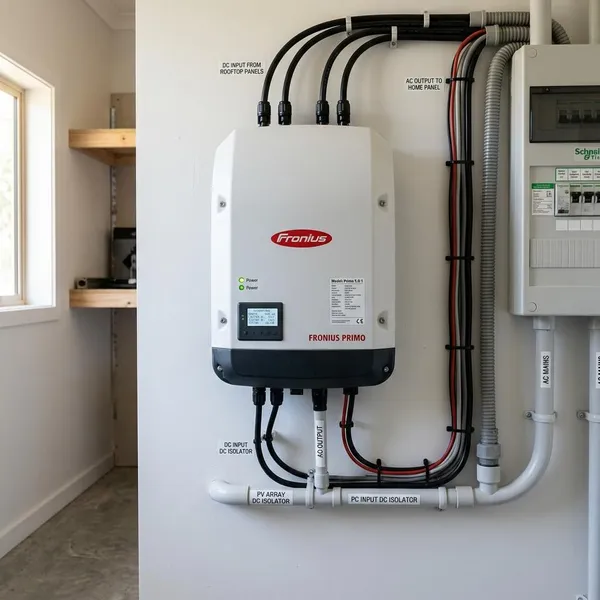
The right inverter turns solar panels from a DC power source into something your home can actually use, but the best choice depends on the job you expect it to do. If the goal is simple grid savings, keep the design clean and compatible; if backup power or batteries matter, choose the inverter around those needs before buying panels, batteries, or extra hardware.