
The best solar battery backup system for home use is the one that keeps your essential appliances running during an outage without making you overspend on unused capacity. A good setup should match your daily energy needs, provide enough backup power for critical loads like refrigeration, lighting, internet, medical devices, or HVAC support, and work safely with your solar panels, inverter, and home electrical system.
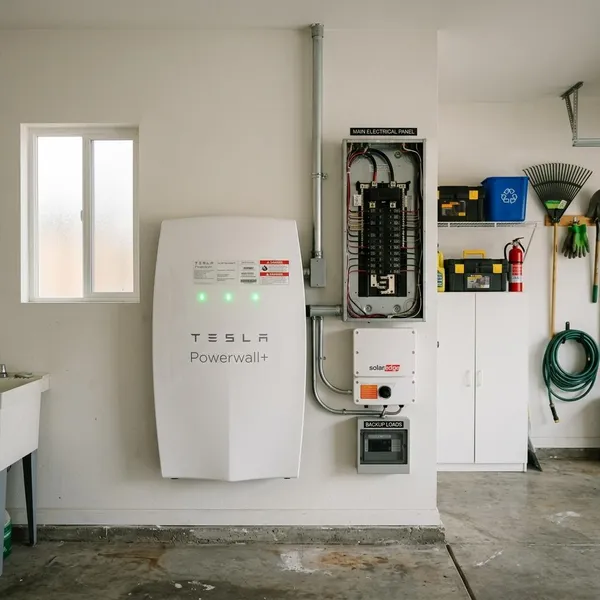
What Is a Solar Battery Backup System?
A solar battery backup system stores electricity from your solar panels so your home can use it later. That stored energy can help at night, during expensive utility rate periods, or when grid power goes down.
The important point is that a battery is not just a large power bank. It has to work with your inverter, electrical panel, backup circuits, utility rules, and safety equipment. A well-matched system feels simple day to day because the complicated switching and charging happen automatically.
It stores solar energy for later use
During sunny hours, your panels may produce more electricity than your home is using. A battery can hold some of that extra energy instead of sending it all back to the grid, so evening loads such as lights, cooking devices, internet equipment, and entertainment do not rely as heavily on utility power.
This is especially useful if your household is mostly empty during the day but busy after sunset. In that situation, storage can make your solar system feel more practical because you use more of your own production when you actually need it.
It keeps essential devices powered during outages
Backup power is usually most valuable when it protects the basics first: refrigeration, a few lights, Wi-Fi, phone charging, a garage door opener, a security system, or a medical device that must stay on. Pumps, freezers, and home office equipment may also belong on the list, depending on the household.
- Good fit: short outages where you need essentials to keep running smoothly.
- Needs more planning: rural homes with well pumps, sump pumps, or frequent storm outages.
- Often expensive: whole-home backup with air conditioning, electric heat, ovens, or large water heaters.
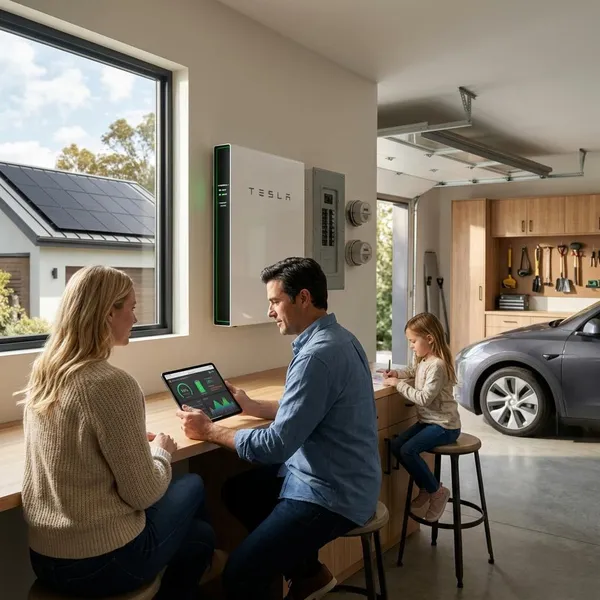
Who Needs a Solar Battery Backup System?
A battery makes the most sense when power interruptions, high evening rates, or weak net metering create a real problem. If your grid is reliable, rates are simple, and your utility credits solar generously, storage may be more of a comfort upgrade than a financial necessity.
For many homes, the decision comes down to inconvenience versus risk. Losing power for one hour in a city apartment is different from losing power overnight in a rural home with a well pump, freezer, and no nearby backup option.
It helps homes with frequent power outages
If outages happen several times a year, a battery can prevent small disruptions from turning into spoiled food, lost work, dark rooms, or disabled equipment. It is also quieter and easier to live with than a fuel generator during short or medium outages.
For storm-prone or wildfire-shutoff areas, size the system around the outage pattern. A few short blackouts may only require essential-load backup. Multi-day outages need either more battery capacity, daytime solar recharging, careful load control, or a separate backup plan.
It lowers reliance on grid electricity
Homes with time-of-use rates often benefit from storing solar power during the day and using it in the evening when utility electricity costs more. The battery becomes part of daily bill management, not just emergency equipment.
This does not mean you are fully off-grid. It means you can reduce how much power you buy during the hours when the grid is least attractive. That difference matters most for households with predictable evening use, such as cooking, laundry, laptops, lighting, and entertainment after work.
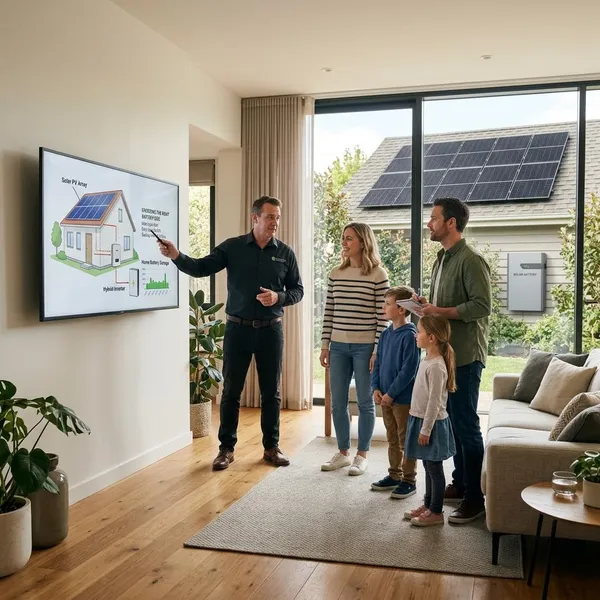
How to Choose the Right Battery Size for Your Home
Battery sizing has two parts: how much energy the battery can store and how much power it can deliver at one time. Storage is measured in kilowatt-hours, while output is measured in kilowatts. You need both numbers because a battery can have enough stored energy but still fail to start a demanding appliance.
The cleanest way to size a system is to build from your outage priority list, not from a product catalog. Decide what must stay on, how long it needs to run, and which large loads you are willing to leave off during backup mode.
Identify the devices you need during outages
Start with a short must-run list. For many homes, that means refrigerator, freezer, modem, router, a few lights, phone charging, and one or two outlets. Add special loads only if they are truly im/portant, such as a CPAP machine, sump pump, well pump, medical equipment, or essential home office setup.
A practical mistake is saying "I want the whole house backed up" before checking what that really includes. If whole-home backup means running central air conditioning, electric heat, oven circuits, and laundry equipment, the system usually becomes much larger and more expensive.
Calculate daily energy use and peak power needs
Use two separate checks. First, estimate how many kilowatt-hours your selected loads may use during the backup period. Second, check whether several devices might start or run at the same time.
- Energy use: how long the battery can keep loads running.
- Continuous output: how much power the battery can supply steadily.
- Surge ability: whether it can handle startup spikes from pumps, fridges, or motors.
A well pump is a good example. It may not use a huge amount of energy over a full day, but it can need a strong startup surge. If that surge is ignored, the system may look fine on paper and still struggle in real use.
Match battery capacity with backup time
Match the battery to the outage you are actually preparing for. A short evening outage is very different from a winter storm that takes down power overnight. Essential loads can often run much longer than comfort loads because they use less energy and cycle on and off.
As a rough planning idea, a 10 to 15 kWh battery may support essential loads for part of a day in many homes, but runtime changes quickly with appliance choices. Air conditioning, electric heating, cooking appliances, and pumps can shorten backup time sharply.
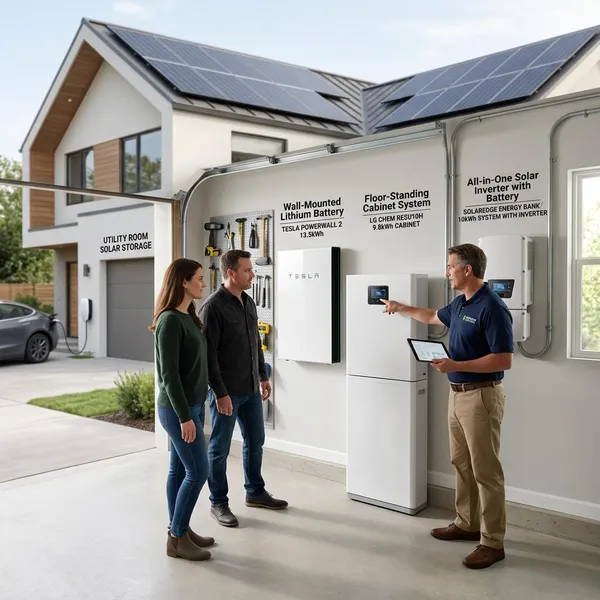
Which Solar Battery System Type Should You Choose?
The main choices are AC-coupled, DC-coupled, and hybrid systems. None is automatically best for every home. The right type depends mostly on whether you already have solar, whether you are installing solar and storage together, and how much integration you want.
AC-coupled systems fit existing solar homes
AC-coupled systems are often the practical retrofit choice because they can usually be added without replacing the entire solar setup. If your panels and solar inverter are already working well, this can reduce disruption and make the project simpler.
The tradeoff is efficiency. Power may be converted more than once as it moves between panels, battery, and home loads. For many retrofit homes, that small penalty is acceptable because the installation is easier and the existing solar investment stays in place.
DC-coupled systems fit new solar installations
For a new solar project, DC coupling can be cleaner because the panels and battery are planned as one system from the start. Solar energy can move into the battery before being converted for household use, which may reduce conversion losses.
This type is worth asking about if you are building the whole solar-plus-storage setup at once. It may not be the easiest answer if you already have a functioning solar inverter that you want to keep.
How Much Does a Home Solar Battery System Cost?
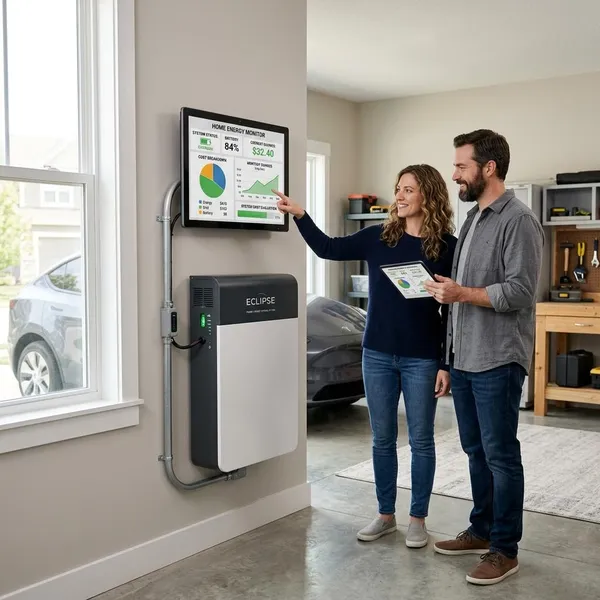
Home solar battery cost varies widely because the battery itself is only one part of the project. The final price can include inverters, gateways, backup panels, permits, electrical work, utility requirements, monitoring equipment, and labor.
Battery size affects total system cost
Larger battery capacity usually raises the price because you are buying more storage and often more supporting equipment. A system meant to keep essentials running can be much smaller than one designed for broad whole-home backup.
The better question is not "How big can I afford?" but "Which loads are worth paying to protect?" That keeps the budget tied to real value rather than a capacity number that may rarely be used.
Installation and equipment change the final price
Electrical work can change the quote dramatically. Older panels, limited space, complex existing solar equipment, service upgrades, backup load panels, and utility paperwork can all affect the final installed cost.
- Ask what is included: battery, inverter, gateway, panel work, permits, monitoring, and commissioning.
- Ask what is excluded: panel upgrades, trenching, repairs, or future expansion hardware.
- Ask what will stay powered: named circuits matter more than vague "home backup" language.
Incentives can reduce upfront expenses
Federal, state, local, or utility incentives may reduce the upfront cost, but rules change and eligibility can depend on how the system is installed. Some programs treat standalone batteries differently from solar-plus-storage projects.
Conclusion
A strong home battery setup starts with the loads you truly need, not with the largest capacity on a spec sheet. If the system can cover your essential circuits, handle startup surges, recharge in the way you expect, and leave room for realistic future needs, it is far more likely to feel like a good investment than an oversized battery chosen on guesswork.