
A solar generator can power part of a house during an outage, but it usually cannot run every circuit and appliance the way the utility grid can. For most homeowners, the realistic goal is essential-load backup: keeping the refrigerator cold, lights on, phones charged, internet connected, and critical equipment such as a medical device or sump pump operating. The right system depends on four key factors: the appliances you need to run, their startup surge watts, the battery capacity, and how much solar input the generator can use to recharge.
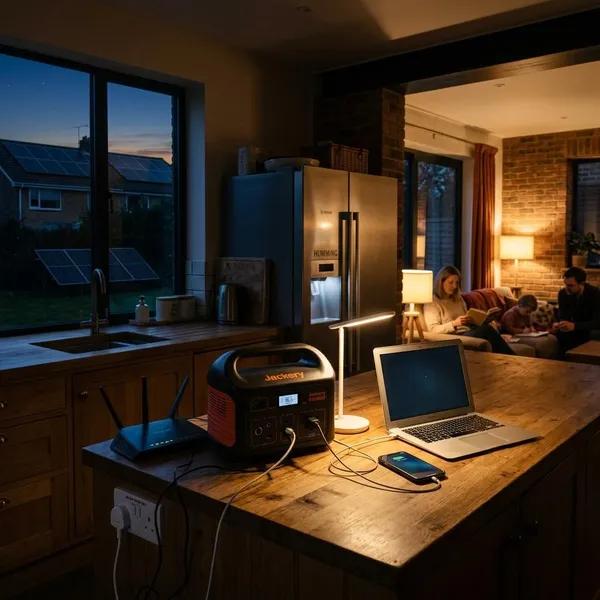
What Is a Solar Generator and How Does It Work?
A solar generator is a battery power station that stores electricity and delivers it through built-in outlets. Most systems combine a battery, inverter, charge controller, and solar input in one unit. Unlike a gas generator, it does not make power by burning fuel, so there is no exhaust, engine noise, or fuel storage to manage.
The tradeoff is simple: you are working with stored energy. Once the battery is low, you either reduce your loads, recharge from solar panels, or use another charging source if available. That makes sizing more important than the product name on the box.
The battery stores energy for later use
The battery is the part that decides how much energy you have available. Capacity is usually listed in watt-hours (Wh) or kilowatt-hours (kWh). A 1,000Wh battery can theoretically deliver 100 watts for about 10 hours or 1,000 watts for about one hour, though real runtime is lower because of inverter losses and the power the generator uses to operate.
For a short evening outage, a modest battery may be enough for lights, a router, phones, and a laptop. For an overnight outage with a refrigerator, freezer, and CPAP machine, battery capacity becomes much more important. If outages are common where you live, battery longevity and expandability are worth checking before price.
The inverter converts power for home devices
The inverter turns the battery's DC power into the AC power used by household devices. It also sets the limit for how much power the solar generator can deliver at one time, so a large battery does not automatically mean it can start every appliance.
- Running watts: the steady power a device uses while operating.
- Surge watts: the brief startup spike needed by motors, compressors, and pumps.
- Inverter headroom: the safety margin that keeps one cycling appliance from tripping the system.
Solar input recharges the stored energy
Solar input decides how quickly the battery can recover after use. A 400W panel array can refill a system much faster than a 100W panel, but only if the generator can accept that much solar input and the panels are placed in strong sun. Shade, cloudy weather, poor angle, and winter daylight can all cut charging speed sharply.
This is where many home backup plans fall short. A large battery is useful during the first night of an outage, but if the panels only replace a small part of what you used, each day becomes harder. A practical setup balances battery size with enough solar charging to replace a meaningful share of daily use.
How Much of Your Home Can a Solar Generator Power?
The answer depends more on your load list than on the size of your house. A small apartment with a few electronics may be easy to cover, while a compact house with electric heat, a well pump, and central air may need a much larger system. Think in terms of priority circuits rather than square footage.
| Backup goal | What it usually covers | Main limit to check |
|---|---|---|
| Basic comfort | Phones, lights, router, laptop, small fan | Battery runtime |
| Essential loads | Refrigerator, freezer, internet, lights, medical device, selected pump | Surge watts and daily energy use |
| Near whole-home backup | Multiple circuits and heavier appliances | Large battery bank, inverter output, and safe connection equipment |
Essential loads cover critical household needs
Essential-load backup is the most realistic target for many households. It focuses the battery on the things that protect food, safety, communication, and basic comfort instead of trying to keep every normal habit running.
Whole-home backup requires bigger systems
Whole-home backup is possible in some setups, but it usually moves beyond a small portable solar generator. Running central air, electric heat, an electric water heater, oven, dryer, and multiple circuits requires a much larger battery system, higher inverter capacity, and properly installed transfer equipment.
What Can a Solar Generator Run?
A solar generator can run many home devices, but the device category matters. Small electronics are easy. Refrigerators and freezers need more planning. Pumps, compressors, and cooling equipment need careful surge sizing. The mistake to avoid is asking only whether something can start; you also need to know how long it can run.
Small devices need less stored energy
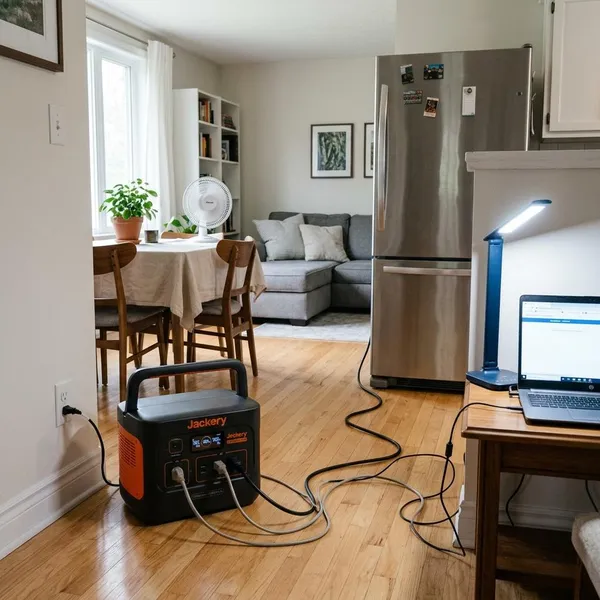
Phones, tablets, laptops, LED lamps, routers, modems, cameras, and small fans are the easiest loads. These are good matches for compact units because they support communication and basic comfort without draining the battery quickly. For a renter or apartment dweller, this may be enough to make a power outage manageable without buying a heavy system.
Medium appliances need more battery capacity
Refrigerators, freezers, CPAP machines, desktop computers, TVs, pellet stove electronics, and brief microwave use sit in the middle. Many solar generators can run them, but runtime depends on daily energy use, not just the momentary watt draw.
A refrigerator is a useful example because it cycles on and off. It may not use high power all day, but it still needs enough battery across the full outage window. If you are planning for overnight use, assume other loads will be running too, such as a router, lights, and phone charging.
What Solar Generator Size Fits Different Homes?
The right size comes from two numbers: the highest power you need at one time and the total energy you use over the outage period. Peak power tells you whether the inverter can handle the load. Daily watt-hours tell you whether the battery is large enough.
- List must-run devices first. Separate essentials from nice-to-have items.
- Find running and surge watts. Pay special attention to motors, pumps, and compressors.
- Estimate hours of use. A router may run all day; a microwave may run for minutes.
- Add a real-world buffer. Weather, battery age, inverter losses, and extra usage reduce available runtime.
Small units fit apartments and basic backup
Small units fit people who mainly need charging, lighting, internet, and maybe a small fan or CPAP machine. They are easier to store, carry, and use indoors than larger systems, which matters if you live in an apartment or do not have space for a full backup setup.
The limit is larger appliances. A small generator might run a refrigerator briefly if the inverter can handle the surge, but it may not keep refrigeration going through a long outage. Use this size for personal resilience, not full household backup.
Medium units fit essential home circuits
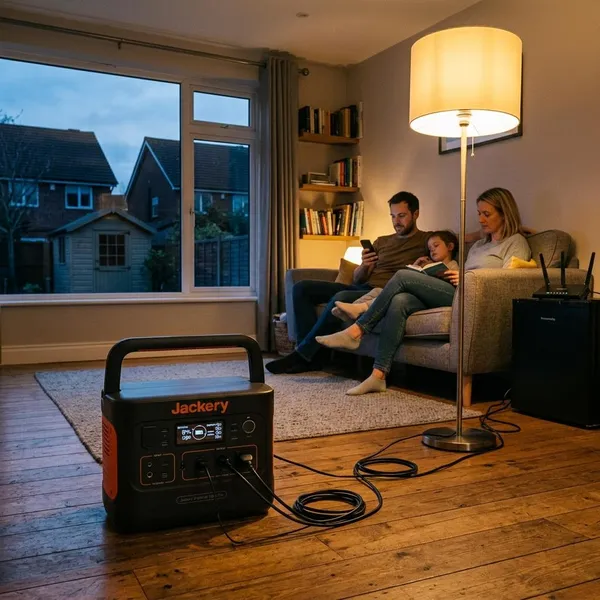
Medium systems are often the sweet spot for homeowners who want practical outage coverage without building a full energy-storage system. They can often cover a refrigerator, freezer, internet equipment, LED lighting, charging, and a few comfort or medical loads when sized correctly.
This is a good fit for a family that wants to protect food and stay connected during storm outages. If the unit supports expansion, you can start with essential backup and add capacity later if your outage pattern or household needs change.
How Many Solar Panels Do You Need to Recharge a Solar Generator?
The number of panels depends on the battery size, panel wattage, sunlight, and how much energy you use each day. A small unit may be fine with a portable panel. A home backup setup that runs refrigeration, lighting, and communication for days usually needs a much more serious solar input plan.
A helpful target is to replace most of the energy you used in the previous day. If your loads use more energy than the panels can put back, the battery level drops a little more each day until you run out.
Panel wattage affects charging speed
Panel wattage sets the upper potential charging speed, but the generator's solar input limit sets the ceiling. If a unit can only accept a certain amount of solar wattage, adding panels beyond that limit may not make charging faster. Before buying panels, match the panel voltage and wattage range to the generator's allowed input.
For light backup, a smaller portable panel may be enough to maintain phones, lights, and a router. For refrigeration and overnight use, small panels often feel too slow unless your energy demand is very modest.
Sunlight hours affect recharge time
Real solar charging depends on usable sun, not just daylight. A summer afternoon in clear weather is very different from a cloudy winter day or a shaded balcony. If your panels only get a few good sun hours, plan for slower recovery.
This matters for year-round backup. A setup that keeps up well during summer outages may underperform during winter storms when days are shorter and appliances such as heating controls or medical devices may matter more. If reliability is important, size your expectations around average or poor conditions, not perfect ones.
What Should You Know Before Using a Solar Generator at Home?
A solar generator is easier to live with than a gas generator, but it still needs a plan. Decide where it will sit, which devices connect first, how you will recharge it, and what you will turn off when the battery starts dropping. The best home setups are usually simple, tested, and realistic.
Safe setup improves daily operation
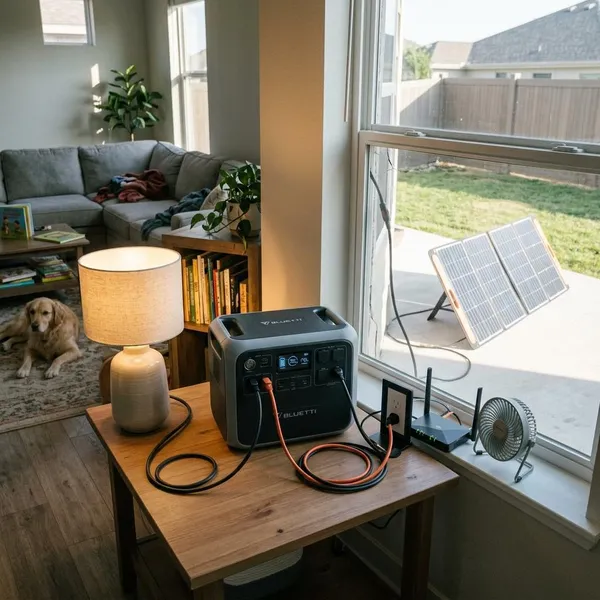
Place the unit on a dry, stable surface with airflow around it, especially while charging or running heavier loads. Keep it away from standing water, heat sources, and anything that could block vents.
- Use rated cords for the load you are powering.
- Do not overload outlets with multiple high-draw appliances.
- Keep cables tidy to reduce trip hazards during an outage.
- Follow battery storage guidance if the unit sits unused for months.
Battery solar generators are generally suitable for indoor use because they do not create combustion exhaust, but that does not mean every setup is safe. Heat, moisture, damaged cords, and overloaded outlets still matter.
Conclusion
A solar generator is worth considering if your goal is quiet, fuel-free backup for the parts of home life that matter most during an outage. Start with the essentials, check surge watts before battery size, and make sure your solar panels can replace enough of what you use. If you expect whole-home comfort with heavy electric appliances, plan for a much larger system instead of hoping a portable unit will stretch that far.