
A natural gas backup generator usually costs about $5,000 to $18,000 installed for many homes, while larger whole-home systems can exceed $20,000. The number that matters is not the generator's sticker price alone, but the full installed cost: equipment, gas work, electrical work, permits, and any upgrades your home needs before the unit can run safely.
What Does the Total Generator Cost Include?
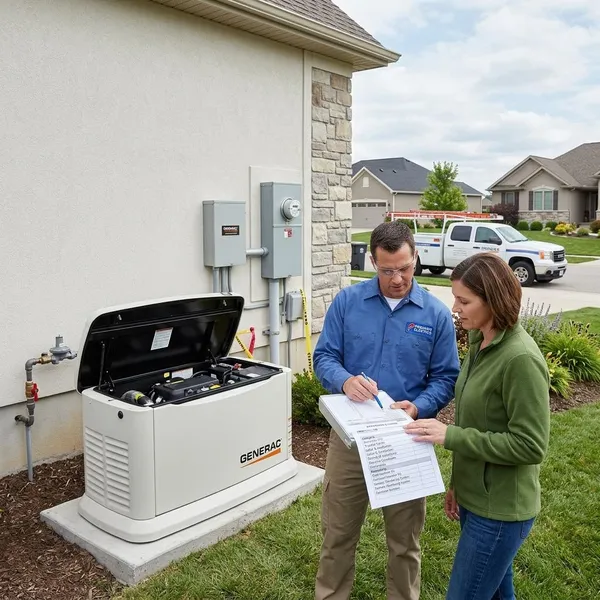
A realistic quote should separate the generator from the work required to make it usable. If one estimate looks much cheaper than another, check whether it includes the transfer switch, gas piping, electrical labor, permits, startup testing, and site work.
The first things to check are simple: whether your home already has natural gas service, where the generator can legally sit, and how far that spot is from the gas meter and electrical panel. Those three details often explain why similar-looking projects have very different prices.
Generator equipment and accessories
The generator unit is usually the largest equipment item, with many residential standby models costing roughly $2,000 to $10,000+ before installation. Smaller units cover essential circuits, while larger models with quieter operation, stronger enclosures, remote monitoring, or load-management features cost more.
- Automatic transfer switch: lets the system start and transfer power without you plugging anything in.
- Battery and charger: needed for reliable automatic startup.
- Mounting pad: keeps the unit level and stable.
- Load-management modules: useful when you want to run some large appliances without oversizing the generator.
Electrical and gas installation
Installation is where many budgets change. The electrician connects the generator and transfer switch to your service equipment, while the gas work makes sure the generator has enough fuel flow when it is under load.
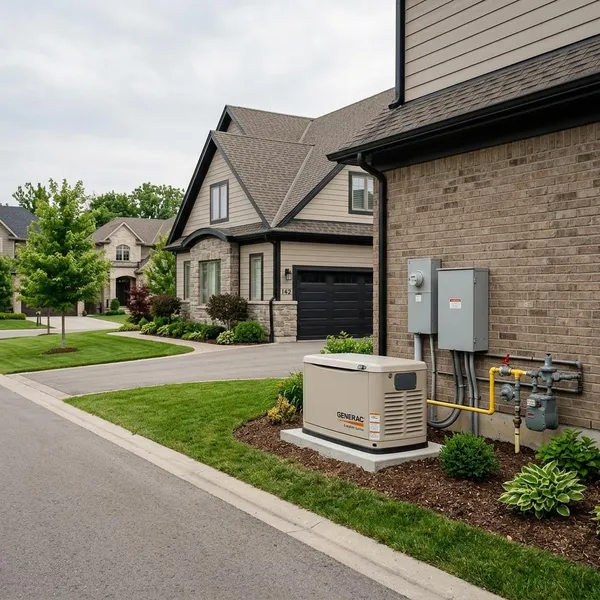
A simple setup near both the gas meter and panel may stay close to the lower end of the installation range. A longer run across a finished patio, tight side yard, or landscaped area can add trenching, conduit, piping, and repair work that quickly raises the total.
How Does Generator Size Affect the Price?
Generator size affects both the upfront price and the cost to operate the system during an outage. The cheapest useful generator is not always the smallest one, and the best value is rarely the biggest one; it is the one sized around the loads you actually care about.
Before shopping by kilowatt rating, make a short outage priority list. A home that only needs refrigeration, heat controls, lights, internet, and a sump pump has a very different budget from a home that wants central air, well pumps, laundry, and most kitchen appliances running at the same time.
Small generators for essential loads
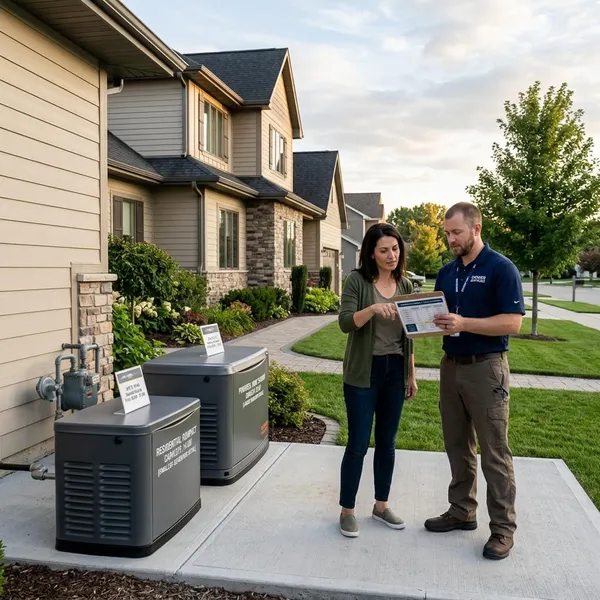
Small standby generators, often around 7 kW to 12 kW, commonly land near $5,000 to $8,500 installed when the site is straightforward. They are best for essential loads rather than normal whole-home living.
This can be the smartest choice for a homeowner who mainly wants to protect a refrigerator, furnace controls, sump pump, internet, a few lights, or a medical device circuit during short outages. It is less satisfying if you expect to run central air, an electric range, and several large appliances at once.
Medium generators for partial backup
Medium systems, often around 14 kW to 22 kW, frequently cost about $8,000 to $14,000 installed. This range is popular because it can keep the home functional without paying for full whole-home capacity.
| Backup goal | Why this size may fit | Watch out for |
|---|---|---|
| Everyday comfort during short outages | Can often support key rooms, kitchen circuits, sump pump, and selected HVAC loads | Large appliances may need load management |
| Working from home | Keeps internet, lighting, heating controls, and basic appliances available | Do not assume all HVAC and kitchen loads can run together |
| Storm-prone area | Balances comfort with a more controlled budget | Fuel use rises during multi-day outages |
What Factors Change the Cost of a Natural Gas Generator?
The final price changes most often because of three things: the generator selected, where it has to be installed, and what your home or local code requires before the system can be approved. Online price ranges are useful for planning, but they cannot replace a site-specific estimate.
If you want to compare quotes fairly, ask each installer to show the generator, transfer switch, electrical work, gas work, permits, site preparation, and optional upgrades as separate line items.
Generator size and model
More output costs more, but the model level matters too. A premium unit may include a better enclosure, quieter operation, stronger monitoring options, or a warranty and service network that makes ownership easier after a storm.
Do not choose only by the lowest equipment price. A slightly more expensive model can be the better buy if local technicians know it well and parts are easy to get in your area.
Installation location and complexity
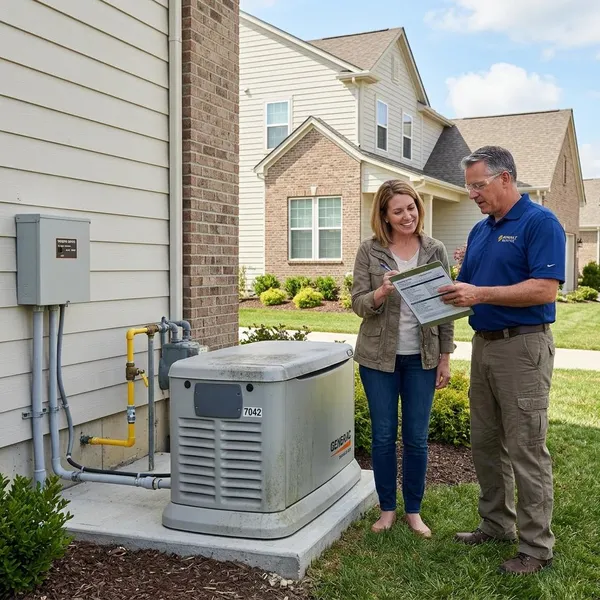
Location can change the quote more than the generator brand. A level spot close to the meter and panel is usually cheaper; a spot across the yard or behind hardscape can require trenching, longer pipe runs, more wiring, and repair work afterward.
- Lower-cost setup: short utility runs, open access, level ground, clear setbacks.
- Higher-cost setup: long trenching, tight access, concrete cutting, retaining walls, or finished landscaping.
- Possible deal-breaker: no compliant outdoor location with proper clearance and safe exhaust placement.
Is Natural Gas Cheaper Than Other Generator Fuels?
Natural gas is often cheaper and easier to live with than propane for homes that already have gas service, but it is not always the best answer. Fuel choice should match your location, outage risk, and how much independence you want from utility systems.
Natural gas for lower ongoing costs
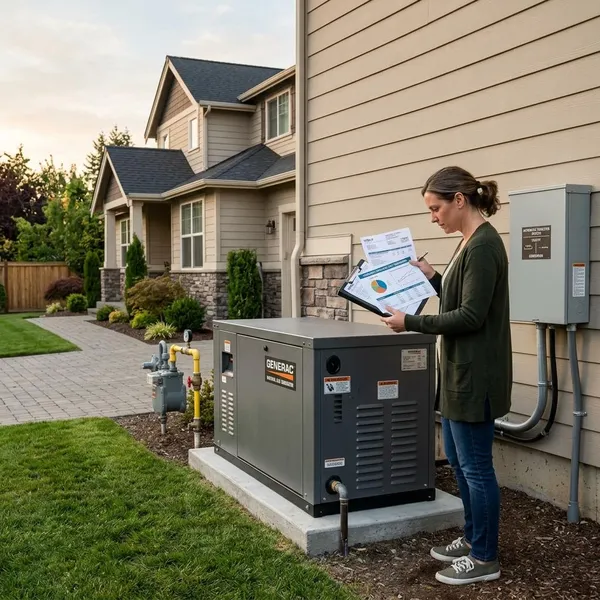
For many connected homes, natural gas offers lower ongoing fuel cost and less hassle because the generator draws from the utility line. It is especially appealing for homeowners who want automatic standby power without storing fuel on the property.
The limitation is access. If your home does not have natural gas, or the existing service cannot support the generator without expensive upgrades, the expected savings may shrink quickly.
Propane for flexible fuel storage
Propane is useful when natural gas is not available or when you want fuel stored on site. Rural homes often choose propane because it can support standby backup without a municipal gas line.
The main budgeting issue is tank size and refill planning. A small tank can run down faster than expected during a long outage, especially if the generator is carrying HVAC or other heavy loads.
What Extra Costs Should You Budget For?
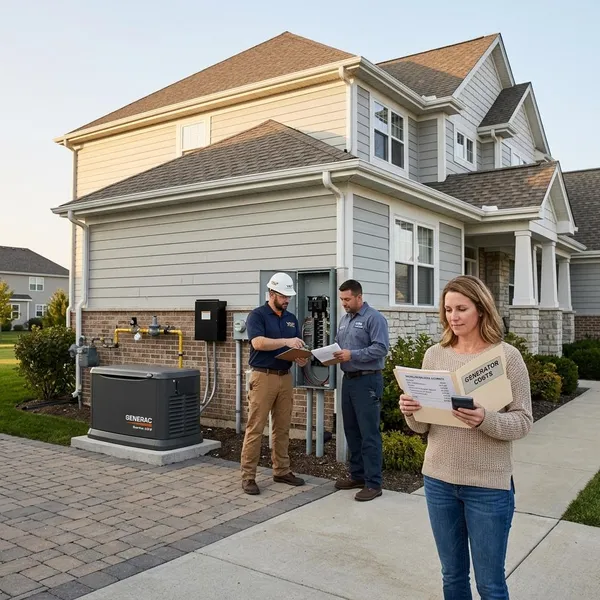
Extra costs are common, so it is safer to treat the first quote as a project estimate rather than just a product price. The most useful contingency is for gas upgrades, electrical changes, site work, and future service.
A good budget also leaves room for what the site visit reveals. Older homes, long utility runs, strict setbacks, and larger generators are the situations most likely to push the final number higher.
Gas and electrical upgrades
A generator may need more gas capacity than the existing meter or pipe can provide. If the home already has a furnace, water heater, range, dryer, and fireplace on gas, the installer has to confirm that adding a generator will not starve the system under load.
Electrical upgrades can include panel rework, transfer switch changes, circuit selection, or load-management equipment. If a quote ignores the age and condition of the panel, ask for a clearer review before signing.
Additional installation work
Property-related work can add cost even when the generator itself is straightforward. Trenching, gravel or concrete pads, drainage fixes, fence changes, concrete cutting, and landscaping repair should be discussed before installation begins.
- List your must-have loads first. Separate essentials from comfort items.
- Confirm the legal location. Setbacks and exhaust clearance can override convenience.
- Ask for itemized quotes. Cheap bids are hard to judge if upgrades are hidden.
- Keep a contingency. Site surprises are easier to handle when they are expected.
Conclusion
The best budget is built around your outage priorities, not the biggest generator you can afford. If you only need essentials, a smaller system may give the best value; if outages are long, frequent, or high-risk for your household, a larger natural gas standby setup can be worth the higher installed and operating cost. Get a load calculation, confirm gas and electrical capacity, and compare itemized quotes before deciding.