
A battery backup can keep sensitive electronics running during a home voltage drop, but it will not correct the underlying electrical problem. Use it to protect computers, routers, medical devices, or other essential equipment while you investigate the cause, such as an overloaded circuit, loose wiring, or unstable utility supply. If lights dim repeatedly, outlets feel warm, breakers trip, or multiple rooms are affected, the priority should be fixing the electrical issue rather than simply buying a larger backup system.
What Causes Voltage Drop at Home?
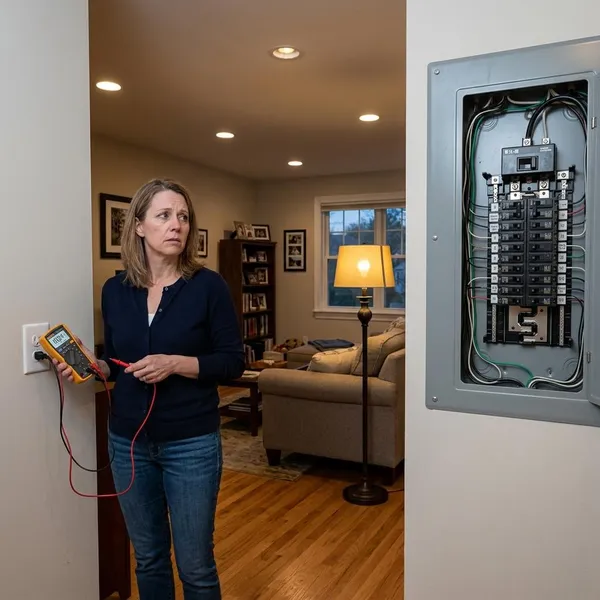
Voltage drop happens when the power reaching an outlet or appliance is lower than it should be under load. The first useful check is the pattern: does it happen only when one appliance starts, only in one room, or across the whole house? That pattern tells you whether a battery backup is a practical workaround or whether the wiring or service needs attention.
Overloaded circuits from high-power appliances
A circuit can sag when too many high-demand devices run at the same time. Common examples are a microwave and coffee maker on the same kitchen circuit, a portable heater sharing an outlet with office equipment, or a window AC unit starting while other loads are already running.
This is one of the lower-risk situations if it is occasional and tied to a clear appliance startup, but it still deserves attention if it happens daily. A UPS can stop your computer or router from rebooting, yet it will not reduce the load on that circuit.
Weak wiring or loose electrical connections
Loose connections, undersized wiring, worn receptacles, corroded terminals, or long wire runs can all waste voltage before power reaches the device. This is more concerning than a simple heavy-load dip because resistance can create heat.
- Warm outlet or switch: stop using it until it is checked.
- Buzzing at a panel, outlet, or appliance: treat it as a warning sign.
- Burning smell or discoloration: shut off the affected circuit if safe and call an electrician.
- Random flickering across different rooms: look beyond a single overloaded outlet.
Utility supply or service problems
The issue may also come from outside the house. Utility voltage can sag during peak demand, storms, damaged service conductors, transformer trouble, or a poor connection around the meter or service entrance.
If every room seems affected at the same time, ask your utility to check the incoming service and have an electrician inspect the main panel side. A battery can keep selected loads running through the symptom, but it cannot correct weak incoming power.
When Does Battery Backup Help With Voltage Drop?
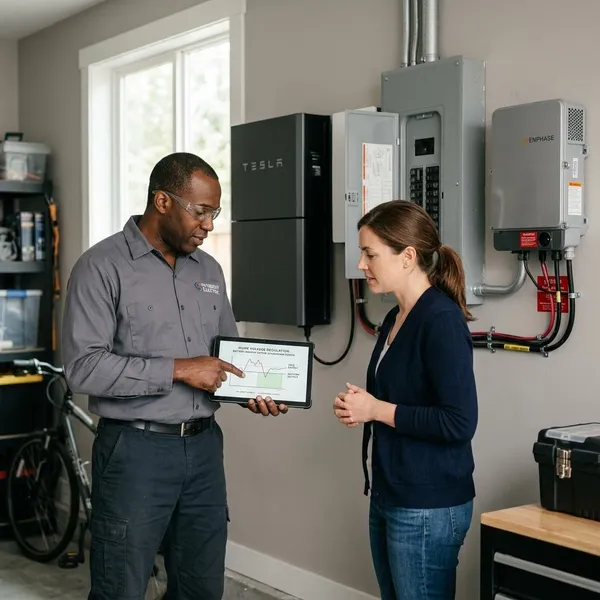
Battery backup helps most when the problem is brief, device-level, or limited to essential loads. It is less useful when the whole electrical system is under stress. The practical rule is simple: use backup power to protect what must not shut off, but do not use it to ignore a recurring electrical fault.
Protect computers and electronics with UPS
A UPS is usually the best first purchase when voltage dips are causing desktop computers, routers, modems, NAS devices, security cameras, or gaming systems to restart. It gives those devices a cleaner handoff during short dips and enough time to save work or ride through a brief interruption.
For a home office, this can be the difference between a small annoyance and lost work. A line-interactive UPS is often more useful than a basic standby model because it can handle moderate voltage changes without switching to battery every time.
Support essential devices with home batteries
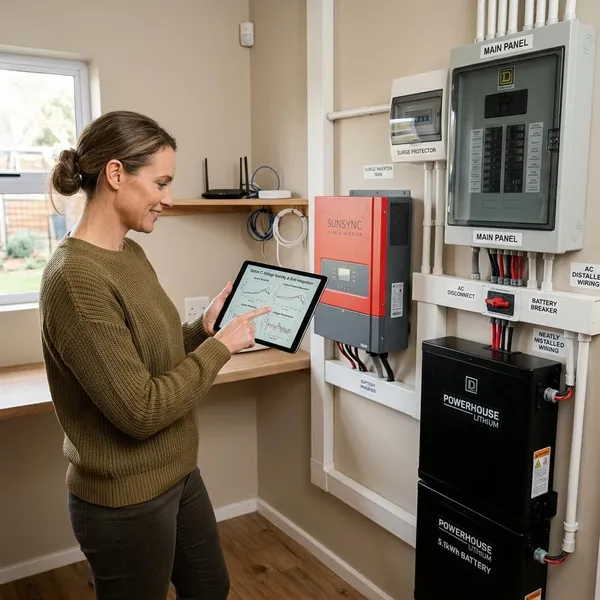
A home battery makes sense when you want more than desk-level protection but do not need the entire house running. It is usually planned around selected circuits, not every outlet and appliance.
- Good candidates: refrigerator, modem, a few lights, phone charging, medical devices, sump pump if properly sized.
- Questionable candidates: electric heaters, ovens, dryers, central air, and other heavy continuous loads.
- Common mistake: backing up too many circuits and then getting disappointing runtime.
For a household that mainly wants food storage, internet, and basic lighting through short outages, a modest essential-load setup can be sensible. For someone expecting normal whole-home living for many hours, the cost and sizing jump quickly.
Which Power Solution Should You Choose?
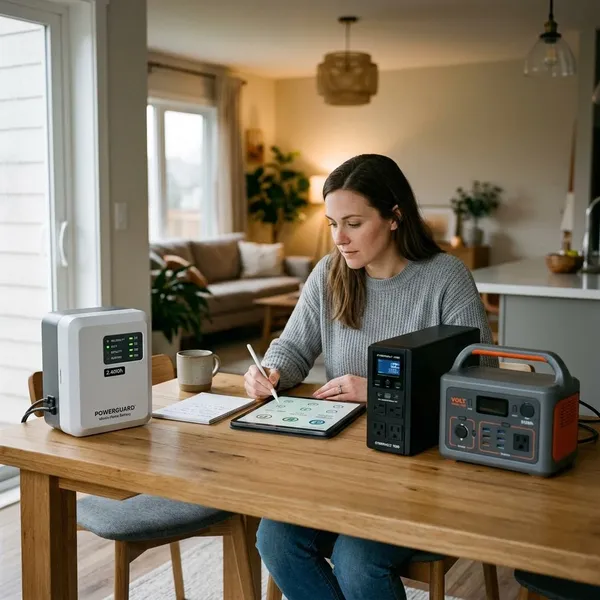
Choose the solution by matching it to the job. A UPS protects individual electronics, a home battery supports selected household loads, and a generator is usually better for long outages. If the cause is unsafe wiring or overloaded circuits, repair comes before backup equipment.
| Situation | Best fit | Watch out for |
|---|---|---|
| Computer, router, or work setup keeps rebooting | UPS | Small units are not for appliances |
| Need refrigerator, lights, internet, or medical device backup | Home battery | Must be sized around real loads and startup demand |
| Storm outages last many hours or days | Generator | Fuel, noise, maintenance, and safe installation matter |
| Warm outlets, buzzing, burning smell, repeated dimming | Electrical inspection | Backup power may hide a dangerous fault |
Choose UPS for sensitive devices
Pick a UPS when the problem is small but disruptive: your router resets during a dip, your desktop shuts down, or a home office loses work when a motor starts elsewhere in the house. It is also the easiest option for renters because it does not require panel work.
Do not plug high-draw appliances into a small UPS. Refrigerators, pumps, heaters, and AC units need equipment rated for their startup and running load, not a desktop computer battery.
Choose home batteries for essential loads
A home battery is the better choice when you want a quieter, automatic backup for selected circuits. It can be a good fit for short utility interruptions, homes with solar, or families that want basic comfort without starting a generator.
The key decision is what "essential" really means. Internet and lighting are easy; a sump pump or furnace blower needs more planning; electric heating and large cooling loads can make the system much more expensive.
How Do You Choose the Right Battery Backup?
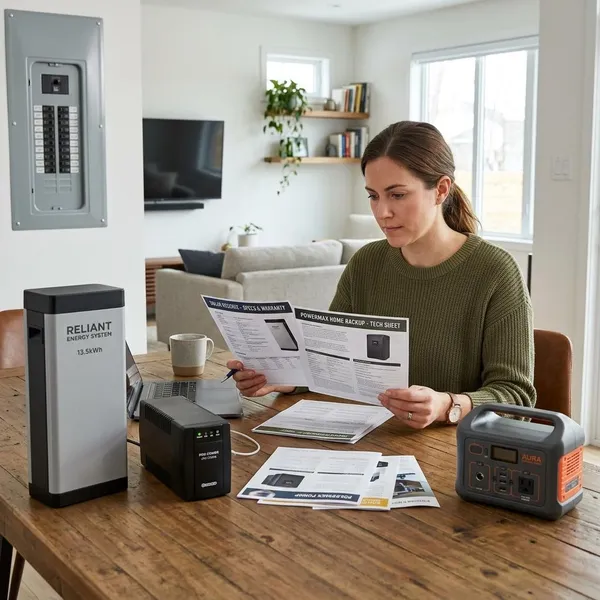
The right battery backup is based on the loads you actually need, not the biggest number on the product page. Start with the devices that matter most during a voltage dip or outage, then check both running power and startup demand before deciding on size.
Calculate power requirements
Make a short list of what you want to keep on. Separate low-power electronics from motor loads because they behave very differently.
- Easy loads: router, modem, laptop charger, LED lights, phone chargers.
- Moderate loads: refrigerator, freezer, furnace blower, TV, small office setup.
- Loads to be careful with: sump pump, well pump, window AC, power tools.
- Usually poor battery targets: electric oven, dryer, space heater, central AC without a large designed system.
Use the appliance label, manual, or a plug-in power meter where practical. If the system will connect to home circuits, have the sizing reviewed by a qualified installer.
Estimate backup time needed
Runtime changes the whole decision. Keeping a router alive for one video call is a small job; keeping a refrigerator, sump pump, and lights running overnight is a different project.
A simple estimate is: add the running watts of the devices likely to be on together, then multiply by the hours you want. Add a margin because inverters are not perfectly efficient and real use is rarely as tidy as a worksheet. If you cannot confirm exact numbers, choose the safer path: measure the load or ask the installer to size it rather than guessing low.

How Can You Prevent Future Voltage Problems?
Prevention starts with reducing strain before adding more equipment. If the voltage drop is caused by how loads are arranged, a better circuit plan may do more than any battery. If the issue is wiring or service quality, protection devices are helpful only after the unsafe condition is addressed.
Balance appliance loads
Try not to run several high-draw devices from the same circuit at the same time. A space heater plus a gaming PC, or a microwave plus a toaster oven, can create noticeable dips in everyday use.
For occasional inconvenience, changing when and where you use appliances may be enough. For repeated dimming, nuisance breaker trips, or seasonal problems such as AC startup every summer afternoon, ask an electrician whether dedicated circuits or load balancing would be safer.
Improve electrical wiring
Wiring improvements are the real fix when voltage drop comes from resistance, poor connections, or undersized circuits. That may mean tightening or replacing worn devices, correcting damaged wiring, adding dedicated circuits, or upgrading service equipment where the existing system is no longer adequate.
Do not treat hot outlets, burning smells, or buzzing as normal "old house" behavior. Those signs move the problem from comfort and convenience into safety territory.
Conclusion
A battery backup is a good answer when the goal is to keep specific devices stable through brief voltage dips or short outages. It is not the right first move if the house has repeated dimming, hot outlets, buzzing, burning smells, or whole-home voltage trouble. Start by finding the pattern, protect the devices that matter most, and treat electrical repair as the priority whenever the symptoms point to wiring, circuit, or service problems.