
Home battery storage can make the renewable energy transition more practical at the household level by shifting power from when it is produced, cheap, or clean to when it is actually needed. The biggest benefits usually appear in homes with evening electricity demand, rooftop solar, high peak rates, low solar export payments, or a need for reliable backup during outages.
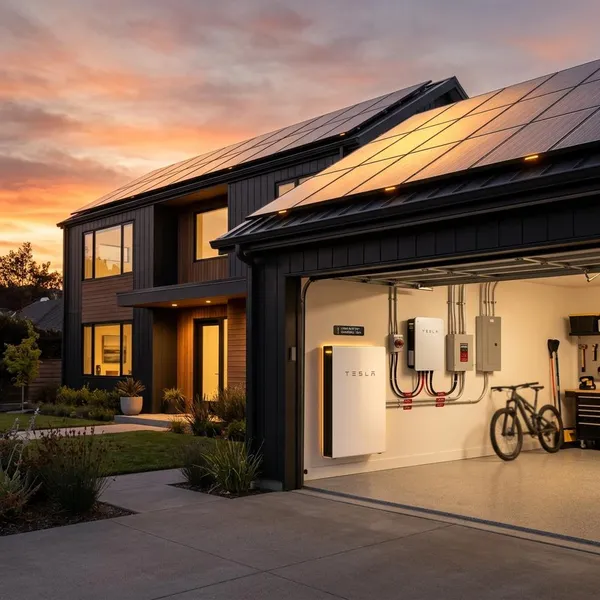
What Are the Main Benefits of Home Battery Storage?
The main benefits are backup power, lower exposure to peak electricity prices, better use of rooftop solar, and more control over when your home buys power from the grid. The strongest case is usually not one single benefit, but a combination: high evening use, time-based rates, useful solar production, or unreliable grid service.
It provides backup power during outages
A battery only gives useful backup if the system is wired and configured for it. Some installations support selected essential circuits, such as refrigeration, lights, internet equipment, and a few outlets. Others can support more of the home, but usually for a shorter time.
The practical question is not "Can it back up my house?" but "What do I need running during an outage?" A remote worker may care most about Wi-Fi, laptop charging, and lighting. A household with temperature-sensitive medication, a sump pump, or medical equipment should be more cautious and discuss backup design carefully with a qualified installer.
It reduces electricity costs with smarter energy use
Storage can reduce bills when there is a meaningful price gap between low-cost and high-cost electricity periods. The battery charges from solar or cheaper grid electricity, then discharges during expensive hours. This is most useful with time-of-use rates, demand charges, or low solar export payments.
- Good fit: high evening use, peak pricing, or low export rates.
- Weaker fit: flat rates, low usage, or limited ability to shift demand.
- Common mistake: assuming savings are automatic without checking the tariff.
It increases solar energy self-consumption
Without storage, extra solar power produced around midday is often exported. A battery keeps more of that generation at home so it can be used after sunset, when cooking, heating, cooling, lighting, and device charging often increase.
This matters most where exported solar earns less than imported electricity costs later in the day. In that situation, a battery can stop the "sell low, buy high" pattern and make the solar system feel more useful in daily life.
How Does Home Battery Storage Support Renewable Energy?
Renewable electricity is not always produced when people need it most. Solar may be strongest in the middle of the day, while household demand often rises in the evening. Home batteries help by moving some of that clean electricity to a more useful time.
It stores extra renewable energy for later use
The simplest renewable benefit is time-shifting. When solar panels produce more than the home is using, the battery stores the surplus instead of sending all of it straight to the grid. That stored electricity can then cover evening use, short cloudy periods, or part of an outage if the system supports backup.
It reduces pressure during peak demand periods
Peak demand often happens when many households use power at the same time: cooking dinner, running heating or cooling, charging devices, and turning on lights. If battery-equipped homes draw less grid power during those hours, the local network has less strain.
This is useful because peak periods can be expensive to serve. They may require extra generation or grid capacity that is only needed for short windows. A battery helps most when it is programmed around the actual peak period, not just left to operate on a generic setting.
It balances renewable energy supply and demand
A home battery helps match supply and demand at a small scale. A sunny afternoon may create surplus solar, while the same home may need more electricity after sunset. Storage carries part of that energy across the gap.
At neighborhood scale, that same pattern can make renewable energy easier to integrate. Less midday waste and lower evening demand can reduce the need for more carbon-intensive backup generation, although the real impact depends on local grid conditions.
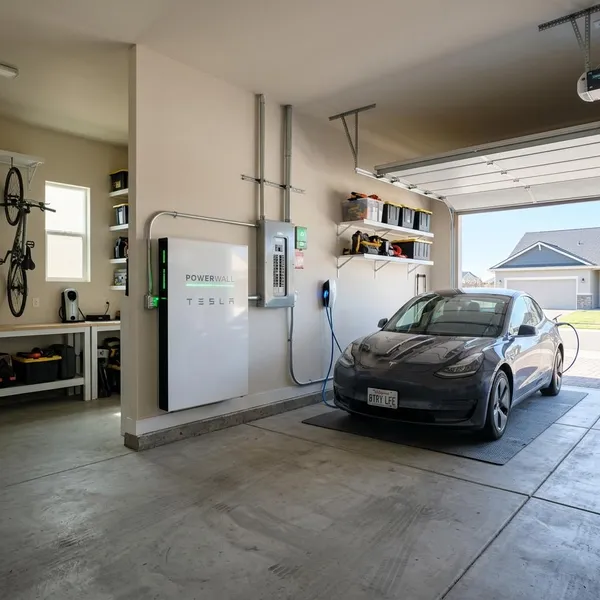
Do Home Batteries Need Solar Panels?
Home batteries do not need solar panels, but solar often makes the value clearer. With solar, the battery stores your own generation. Without solar, the battery mainly shifts grid electricity from cheaper or cleaner periods to more expensive or higher-demand periods.
Solar systems gain more value with battery storage
Solar-plus-storage is often the most intuitive setup. The panels generate electricity during the day, and the battery saves extra power for later. This is especially useful when the home exports solar cheaply but buys grid electricity back at a higher rate in the evening.
For backup, solar can also matter during a longer outage. If the system is designed to operate safely when the grid is down, daytime solar may help recharge the battery. That detail should be confirmed before buying, because not every solar-and-battery installation behaves the same way during a blackout.
Battery-only systems support flexible energy use
A battery-only system can still make sense where electricity prices change by time of day. It can charge during lower-cost hours and discharge during peak hours. The environmental benefit depends on the grid mix at charging times, so it is better to view battery-only storage as a flexibility tool rather than automatically "green" power.
Electric vehicles and time-based rates create new opportunities
Electric vehicles can change the calculation because they add a large, regular load. A household charging an EV after work may face high evening demand, especially if cooking, heating, or cooling also happens then. A battery may help smooth that load or avoid buying as much power during the most expensive hours.
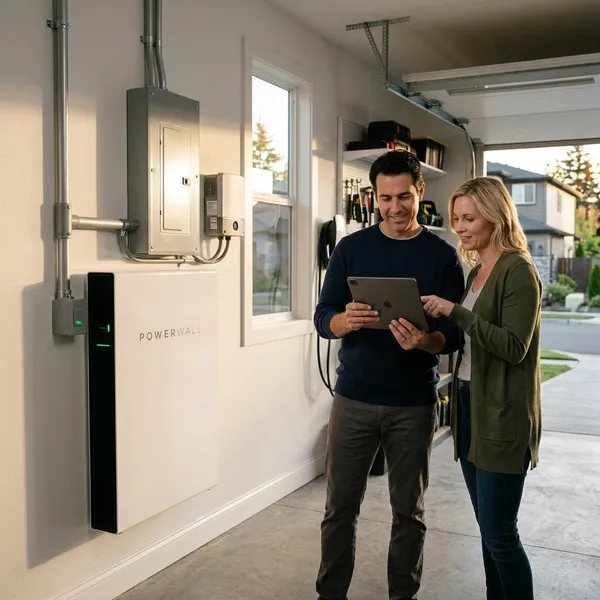
Are Home Batteries Worth It for Every Household?
Home batteries are not worth it for every household. They make the most sense when they solve a clear problem: expensive peak electricity, low solar export value, frequent outages, or high evening demand. If none of those apply, the payback can be weak.
| Household situation | Likely battery value | Reason to be cautious |
|---|---|---|
| Solar home with high evening use | Often stronger | Needs the right battery size and tariff assumptions |
| Outage-prone home | Often practical even if savings are modest | Backup circuits must be designed correctly |
| Low-use home on flat rates | Often weaker | Limited bill savings and fewer loads to shift |
| EV or heat pump household | Potentially strong | Large loads can drain a small battery quickly |
They provide more value with high electricity use
High-use homes have more chances to benefit, but timing matters more than total consumption. A household that uses a lot of electricity in the evening may gain more than a household that uses the same amount mostly during sunny daytime hours.
Think of a family running air conditioning, cooking, laundry, and EV charging after work. If those hours are expensive, storage has a clear job. If most demand happens when solar is already producing, the extra value may be smaller.
They provide more value in outage-prone areas
In areas with frequent storms, wildfire shutoffs, aging grid equipment, or long repair times, backup value can be just as important as bill savings. The battery becomes a comfort and resilience purchase, not only a financial one.
The priority is to define essential loads before choosing capacity. Refrigeration, a router, a few lights, and a medical device are very different from trying to run central heating, air conditioning, ovens, or whole-home power for many hours.
They provide less value for low energy needs
A low-use home with stable grid service, flat rates, and no solar may struggle to get enough value from a battery. In that situation, cheaper steps may come first: improving efficiency, changing tariff plans, adjusting appliance timing, or adding solar if the roof and local rules make sense.
How to Decide If Home Battery Storage Fits Your Home?
Start with your own electricity pattern rather than a battery brochure. The best first checks are when you use power, what your utility charges at those times, how often outages happen, and what you expect the battery to do during normal days and emergencies.
Review your electricity use and peak demand
Look at 12 months of bills if you can, then check any smart meter or app data that shows hourly use. Monthly totals are helpful, but they do not show whether your demand happens during expensive hours.
- Check evening demand: batteries usually help more when late-day use is high.
- Note seasonal spikes: cooling, heating, or holiday occupancy can change the picture.
- List large loads: EV charging, water heating, cooking, dryers, and air conditioning matter most.
Check your rates and outage risks
Tariffs can make or break the financial case. Time-of-use pricing, demand charges, and low solar export compensation tend to improve battery value. Flat rates usually make savings harder because shifting energy from one hour to another does not change the price much.
For outages, write down how often they happen, how long they usually last, and what you genuinely need to keep running. A home with one short outage a year has a different risk profile from a rural or storm-prone home that loses power for hours at a time.
Match battery size with solar and backup goals
Battery size should follow the job. A smaller battery may be enough to cover a short evening peak, while backup for essential circuits during longer outages may require more usable capacity and careful load management.
A common mistake is buying the biggest battery available without checking whether it will be used. Oversizing can leave capacity idle; undersizing can mean the battery runs out before the expensive period or outage is over. Ask installers to model your actual loads rather than relying only on average household estimates.

Conclusion
A home battery is worth serious consideration when it has a clear role: storing solar that would otherwise be exported cheaply, covering expensive evening demand, or keeping essential loads running during outages. If your usage is low, rates are flat, and the grid is reliable, the smarter move may be to wait, improve efficiency first, or compare tariff options before investing in storage.