
A panel solar battery can make your solar system more useful by storing excess energy for nighttime use, power outages, or times when grid electricity is expensive. Before buying one, focus on three things: which appliances you need to run, how many hours of backup power you expect, and whether your current inverter supports battery storage. If your area has reliable grid service and generous solar export credits, solar panels without a battery may still offer better value.
What Is a Solar Battery?
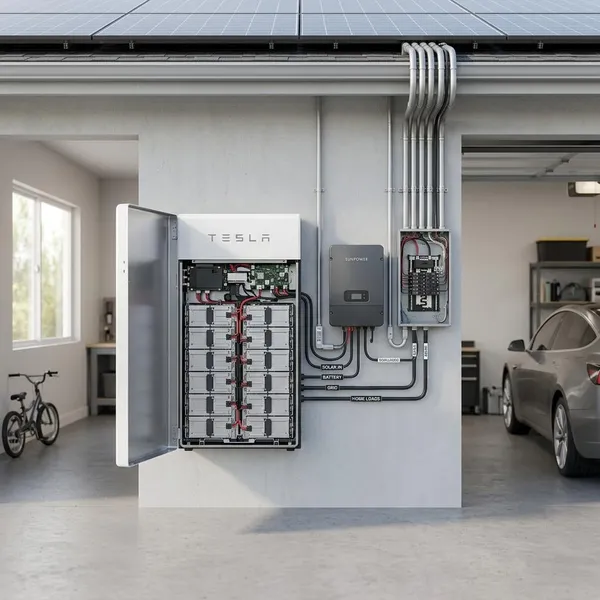
A solar battery stores electricity from a solar power system so it can be used later. In a home setup, it usually sits between your solar panels, inverter, electrical panel, and energy management system.
The practical point is timing. Solar panels make the most power during daylight, while many homes use more electricity in the evening. A battery helps close that gap.
Store extra solar energy for later use
The battery's first job is to catch extra solar production that your home is not using right away. That stored energy can then run evening loads such as lights, Wi-Fi, refrigeration, small electronics, or other everyday circuits.
For a home that is empty during the day and busy after work, this can make solar feel much more useful. Instead of sending most excess power away at noon, you keep more of it for the hours when you actually need it.
Work with solar panels and inverters
Think of the battery as one part of the system, not a stand-alone appliance. Solar panels generate power, the inverter makes that power usable for the home, and the battery stores energy according to the system design.
- AC-coupled batteries are often easier to add to an existing solar system.
- DC-coupled batteries may be more efficient in some new installations.
- Proprietary systems may require specific inverter and battery combinations.
Before buying, confirm compatibility with the inverter, backup panel, monitoring system, and local installation requirements. A battery with good specifications can still be the wrong choice if it cannot communicate properly with the rest of your setup.
Why Add a Battery to a Solar System?
The best reason to add a battery is not always the same for every home. For some people, it is outage protection. For others, it is using more of their own solar power instead of buying electricity during expensive evening hours.
A battery is less compelling when the grid is reliable, electricity prices are simple, and exported solar earns strong credits. In that case, the battery may add comfort and flexibility, but the financial return can be harder to justify.
Keep power during outages
For outage protection, decide what must stay on before choosing a battery size. Essentials usually include refrigeration, lighting, internet equipment, garage access, and any critical medical or work-from-home devices.
A common mistake is asking for "the whole house" without separating essential loads from comfort loads. Keeping the basics running for a longer period is often more useful than draining the battery quickly on heating, cooling, cooking, or laundry equipment.
Use more of your solar energy
This is most useful when your solar production and home usage do not line up. A household with people away at school or work during the day may export a lot of solar power, then buy electricity back in the evening.
A battery shifts part of that daytime surplus into the evening. That can be especially valuable if your utility pays little for exported solar or charges more during late afternoon and night periods.
Reduce grid dependence
Reducing grid dependence does not usually mean leaving the grid completely. It means your home can lean more on solar and stored energy before drawing utility power.
This matters most in two situations: areas with frequent outages and homes where electricity prices feel unpredictable. It is less important for a low-usage household in a stable service area with fair net metering.
What Types of Solar Batteries Are Available?
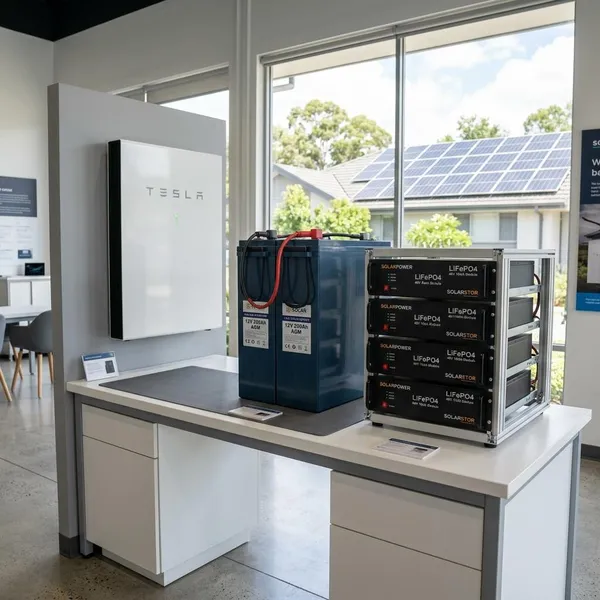
Residential solar batteries are usually compared by chemistry. The main choices are lithium-ion, LiFePO4, and lead-acid. The right one depends on budget, cycling needs, space, maintenance tolerance, and how long you expect to use the system.
For most full-time homes, lithium-based batteries are now the normal starting point. Lead-acid still has a place, but usually in more budget-sensitive or occasional-use situations.
Lithium-ion batteries for home solar
For most modern home solar systems, lithium-ion batteries offer a good mix of compact size, efficiency, and daily-use performance. They are well suited to households that want to charge during the day and discharge most evenings.
The upfront price is usually higher than lead-acid, but the lower maintenance and better usable capacity often make them easier to live with. If you want a neat garage or wall-mounted installation, lithium-ion is usually the more practical direction.
LiFePO4 batteries for longer life
LiFePO4, or lithium iron phosphate, is a lithium chemistry known for long cycle life and strong thermal stability. It is a strong choice for long-term homeowners, frequent cycling, and systems where durability matters more than getting the lowest initial price.
It can also make sense for off-grid use because the battery may charge and discharge every day. The tradeoff is cost, so compare warranty terms, usable capacity, and supported inverter options rather than buying on chemistry name alone.
What Solar Battery Features Matter Most?
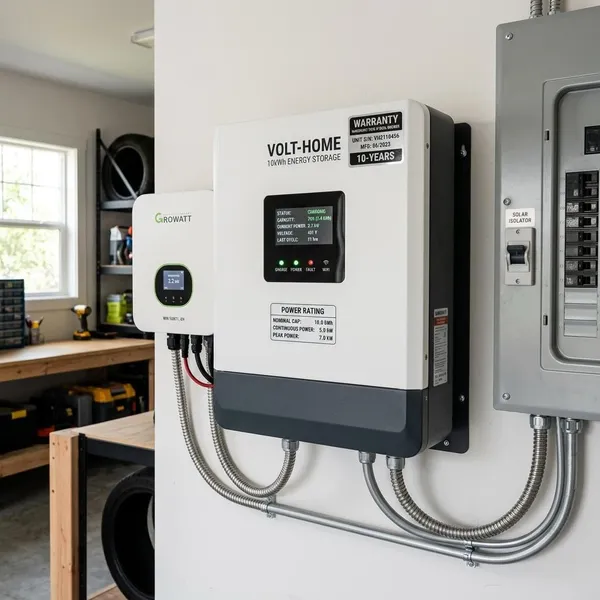
Battery specifications only matter if they connect to real use. Start with three questions: how much energy can you use, how much power can it deliver at once, and how well is the battery protected by warranty?
This order keeps you from making a common buying mistake: choosing the battery with the biggest number on the brochure without checking whether it can run the appliances you care about.
Battery capacity and usable storage
Capacity is measured in kilowatt-hours, but usable storage is the number to focus on. A 10 kWh battery with 90% usable capacity gives about 9 kWh for practical use.
For a simple backup plan, estimate the loads you truly need and how many hours you want them to run. For daily self-use, compare usable capacity with your typical evening and overnight electricity consumption.
Power output and appliance support
Power output tells you what the battery can run at the same time. Storage capacity is the size of the fuel tank; power output is how fast that energy can be delivered.
Make a short load list before speaking with an installer:
- Low-demand essentials: lights, Wi-Fi, phone charging, refrigerator.
- Medium loads: microwave, small pumps, home office equipment.
- High-demand loads: central HVAC, electric oven, dryer, large well pump.
If high-demand loads matter, you may need more inverter output, multiple batteries, or a dedicated backup design. Do not assume a large battery automatically supports every appliance.
Which Solar Battery Setup Is Right for You?
The right setup depends on whether you are adding storage to an existing system, installing new solar, or trying to live without utility power. The same battery can be a smart fit in one setup and awkward in another.
Use the setup type to narrow the decision before comparing brands. It will affect inverter choice, wiring, backup behavior, cost, and how much control you have over stored energy.
Grid-tied systems with backup
A grid-tied system with backup is usually the most practical option for homes that already have utility service but want protection during outages. In normal conditions, the home can use solar, battery power, and the grid. During an outage, the backup equipment separates from the grid and powers chosen circuits.
This setup is well suited to a suburban home that gets a few storm outages each year. A critical loads panel can keep the battery focused on essentials instead of wasting energy on every circuit in the house.
Hybrid solar systems
A hybrid system is designed from the start to manage solar panels, batteries, and grid power together. It can store daytime solar, discharge during expensive rate periods, and provide backup when configured for it.
This is often the cleanest choice for a new installation in an area with time-of-use pricing or weak export credits. The main caution is equipment matching: battery, inverter, software, and utility settings need to work as one system.
Off-grid solar systems
An off-grid solar system depends on batteries every day, not just during outages. That makes sizing much less forgiving. The system must cover nighttime use, cloudy periods, seasonal changes, and the energy needed to recharge the batteries.
A remote cabin used on summer weekends may get by with a modest setup. A year-round off-grid home with refrigeration, water pumping, heating controls, and daily appliance use needs a much more conservative design.
- Start with daily energy use. Estimate what the home actually consumes in kWh.
- Decide backup days. Plan for cloudy weather, not just perfect sun.
- Check usable battery capacity. Do not size from total capacity alone.
- Match solar array size. Panels must run daytime loads and recharge the battery.
- Allow for losses. Inverters, wiring, temperature, and charging reduce real output.
Conclusion
A good solar battery choice starts with the job you need it to do: short outage support, daily evening use, lower grid reliance, or full off-grid power. Check usable capacity first, then power output, inverter compatibility, battery type, and warranty quality. If those pieces match your real household loads, the battery is more likely to feel useful instead of becoming an expensive add-on.