
A backup generator is worth considering when a power outage could quickly disrupt safety, food storage, remote work, water access, heating, cooling, or essential medical equipment. Its value goes beyond convenience: it helps keep the critical parts of your home running when utility power is unavailable.
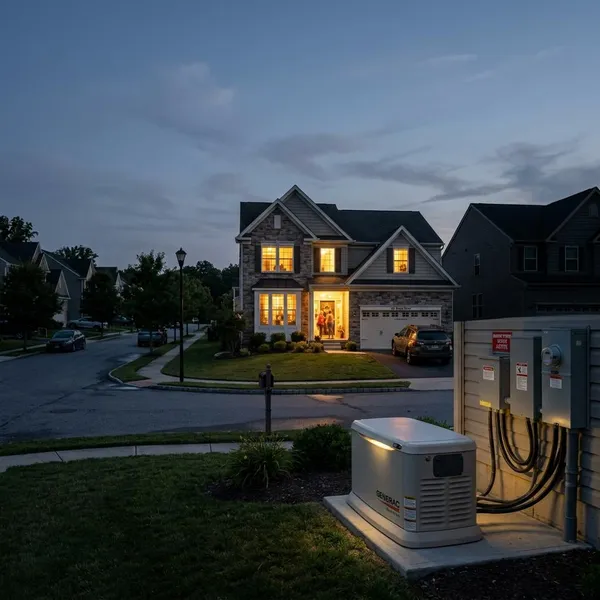
Why Do You Need a Backup Generator?
The first thing to check is what stops working in your home when the power goes out. If the answer is only a few lights and a television, your need may be modest. If it affects your refrigerator, sump pump, furnace, well pump, internet, security system, or medical equipment, backup power becomes much more practical.
A generator is not automatically necessary for every home. It becomes useful when outages are frequent, long, seasonal, or risky enough that waiting them out creates real problems.
Keep essential appliances running
During a short outage, the priority is usually refrigeration, lighting, phone charging, and basic communication. For a longer outage, heating, cooling, water access, and a sump pump may matter more than anything else.
- Start with food storage: A refrigerator and freezer are often the first loads worth protecting.
- Add safety basics: A few lights, phone chargers, and internet equipment make the outage easier to manage.
- Check home-specific systems: A well pump, sump pump, furnace controls, or boiler may be more important than small appliances.
Stay safe during long outages
A long outage changes the situation. What feels inconvenient for two hours can become unsafe after a day, especially during freezing weather, extreme heat, heavy rain, or when someone in the home depends on powered equipment.
For example, a home with older adults and refrigerated medication needs a different plan than a household that only wants to keep phones charged. A generator gives you more control, but it still needs to be used safely, especially if it is portable.
What Are the Benefits of Having a Backup Generator?
The main benefit is continuity. Instead of rebuilding your day around a blackout, you can keep the most important parts of your home operating and avoid making rushed decisions during bad weather or a grid failure.
The value is strongest when you decide in advance what deserves power first. Trying to power everything with too small a generator is one of the most common mistakes.
Power important home systems
Some homes depend on electricity for more than convenience. A well pump may control water access, a sump pump may protect the basement, and heating equipment may need electrical controls even if the heat source is gas or oil.
Before choosing a generator, write down your "must-run" systems separately from your "nice-to-have" items. Must-run might include a sump pump, furnace controls, refrigerator, and medical equipment. Nice-to-have might include a microwave, entertainment devices, or extra lighting.
Protect food and medical supplies
Food loss is annoying once; repeated food loss becomes expensive. A generator can be especially useful for families that buy in bulk, keep a full freezer, or live far from easy grocery access.
Medical supplies require more caution. If medication, mobility equipment, oxygen equipment, or other health-related devices need reliable power, do not rely on guesswork. Plan the load carefully and speak with a qualified installer or healthcare provider where appropriate.
Who Needs a Backup Generator Most?
The strongest candidates are households where losing power quickly affects safety, property, health, or income. If an outage is only a rare inconvenience, a small emergency plan may be enough. If an outage regularly creates damage risk or serious disruption, backup power becomes much easier to justify.
Homes in outage-prone areas
If storms, wildfire shutoffs, ice, heat waves, or local grid issues knock out power several times a year, a generator is no longer something you might use once and forget. It becomes part of normal home preparedness.
Rural homes can be especially vulnerable because restoration may take longer and many rely on electric well pumps. But city and suburban homes can also be good candidates if trees, aging lines, or overloaded grids cause repeated outages.
Families with critical power needs
Families with medical devices, refrigerated medication, infants, older adults, or people sensitive to temperature swings should treat backup power more seriously. In these homes, the question is less "Would this be convenient?" and more "What happens if power is out overnight?"
- Higher-risk home: Medical equipment, limited mobility, refrigerated medicine, or unsafe indoor temperatures.
- Moderate-risk home: Sump pump, well pump, frequent storms, or long restoration times.
- Lower-risk home: Short outages, no critical systems, and easy access to temporary alternatives.
What Types of Backup Generators Are Available?
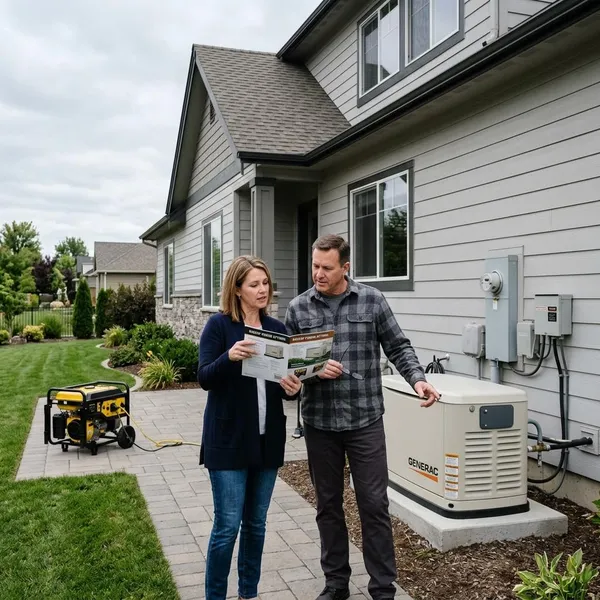
The right type depends on how much power you need, how often outages happen, and how much setup you are willing to handle during bad weather. The biggest choice is usually between a portable generator you manage manually and a standby system that turns on automatically.
Portable generators for short outages
Portable generators are usually the practical choice for occasional outages and a limited list of essentials. They can be enough for a refrigerator, freezer, phone charging, a few lights, and sometimes a sump pump, depending on size and connection method.
The tradeoff is effort. You need fuel, safe outdoor placement, extension cords or a proper transfer setup, and the discipline to never run it indoors, in a garage, or near windows and vents. Backfeeding a home through an outlet is also dangerous and should be avoided.
Standby generators for automatic backup
A standby generator is permanently installed outside and connected through a transfer switch. When utility power fails, it can start automatically, which is useful at night, during storms, or when you are away from home.
This option fits homeowners who want fewer manual steps and more dependable support for important circuits. It costs more upfront than a portable unit, but the convenience can matter a lot when outages are frequent or when critical systems need power quickly.
Is a Backup Generator Worth It?
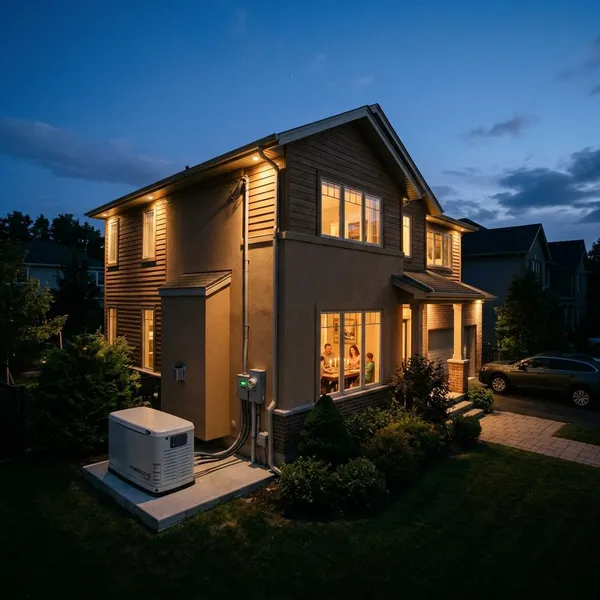
A backup generator is worth it when the cost and effort are lower than the disruption an outage would cause. The decision becomes clearer when you look at your real outage history, the systems your home depends on, and how long you can safely manage without power.
If outages are rare and short, a smaller emergency setup may be enough. If outages are frequent, long, or risky, a generator can be one of the more practical home protection upgrades.
Worth it for frequent outages
When your home loses power several times a year, the generator is more likely to pay you back in avoided stress, food loss, work interruption, and emergency scrambling. The more predictable the outage pattern, the easier it is to choose the right level of backup.
Worth it for home protection
A generator can be worth it even if you do not care about keeping every convenience running. Protecting a sump pump, heating controls, well pump, or security system may be enough reason on its own.
This is where many homeowners underestimate the value. Preventing one flooded basement or avoiding one severe cold-weather problem can matter more than powering every appliance in the kitchen.
Conclusion
A backup generator is most worthwhile when an outage would quickly affect safety, property, work, food, water, or health needs. Start with the systems your home cannot comfortably lose, then choose the smallest reliable setup that protects those priorities safely; that usually leads to a better decision than simply buying the largest unit or waiting until the next outage feels urgent.