
A solar panel system with battery backup can lower your electricity bills while keeping essential appliances running during an outage. The best setup depends on more than battery size: you need to know which circuits you want to protect, how many hours of backup you expect, and whether your utility rates make stored solar power useful even when the grid is working.
How does a solar panel system with battery backup work?
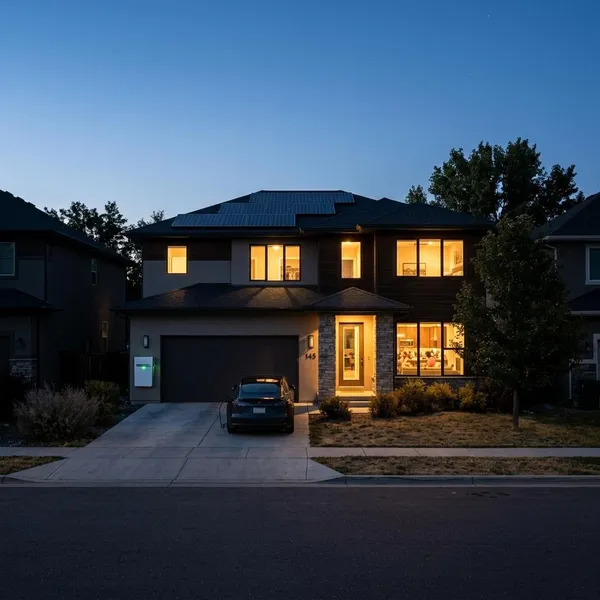
A solar panel system with battery backup has three main jobs: produce power, store unused power, and send electricity to the right place at the right time. During the day, the home usually uses solar power first. If the panels make more than the house needs, that extra energy can charge the battery instead of going straight to the grid.
The first thing to check is whether the system is designed for backup operation, not just energy storage. Some battery systems are mainly installed for bill management, while others are wired to keep selected home circuits running during an outage.
Solar panels generate electricity for daily home use
Solar panels produce direct current electricity when sunlight hits the panels. An inverter changes that into alternating current so your home can use it for everyday loads such as lights, kitchen outlets, electronics, fans, and refrigeration.
Panel output moves up and down throughout the day. Shade, roof direction, season, clouds, and the time of day all matter, so a system should be sized around your actual usage pattern rather than the panel rating alone.
Batteries store extra solar energy for backup
The battery stores surplus solar energy for later use. That stored energy can help after sunset, during expensive utility-rate periods, or when the grid is out.
- Capacity matters for runtime: measured in kilowatt-hours, it tells you how much energy the battery can store.
- Output matters for appliances: measured in kilowatts, it tells you how much equipment the battery can support at once.
- Load choices matter most: a refrigerator and router are very different from an electric oven or central air conditioner.
Inverters manage power between solar, batteries, and the home
The inverter is the traffic controller. It decides when solar powers the home, when the battery charges, when stored energy is used, and when the grid is needed.
For outage protection, the inverter also needs safe isolation from the utility grid. This prevents backfeeding power onto utility lines and allows the backed-up part of the home to run separately. If backup power is one of your goals, ask the installer to show exactly which circuits will stay on when the grid fails.
Does solar battery backup work during a power outage?
Solar battery backup can work during a power outage, but only when the system includes backup-capable equipment and proper wiring. A normal grid-tied solar system without backup equipment usually shuts down when the grid fails, even if the sun is shining.
For most homes, the practical question is not "Will it run the whole house?" but "Which loads will stay on, and for how long?" That answer depends on battery capacity, inverter power, solar production during the outage, and how disciplined the household is with energy use.
Batteries keep selected circuits running during outages
Most residential battery backups are designed around selected circuits. These often include the refrigerator, Wi-Fi equipment, phone charging, LED lights, a few outlets, a garage door opener, and sometimes a furnace blower, sump pump, well pump, or medical device.
This setup works well for a short storm outage where the goal is to keep food cold, stay online, and avoid sitting in the dark. It is less suitable if you expect every appliance to work normally while the grid is down.
Solar-only systems shut down during outages for safety
A solar-only system usually shuts down during a blackout because the inverter must stop sending electricity to the grid. That safety feature protects utility workers who may be repairing power lines.
This surprises many homeowners. The panels may still be physically capable of producing power, but without a backup inverter, battery, and isolation controls, that power cannot safely run the home during an outage.
What can a solar battery backup system run?
A solar battery backup system can run small essentials, common household appliances, or larger loads depending on the design. The useful starting point is a simple outage list: what must stay on, what would be nice to have, and what can wait until grid power returns.
Before accepting a quote, compare three things side by side: usable battery capacity, inverter output, and the exact backed-up circuits. A cheaper proposal may look attractive until you notice it supports fewer loads or has limited surge capability.
Small systems support lights, internet, and essential devices
A small backup setup is usually best for basic resilience. It can often cover LED lights, a router, phones, laptops, a few outlets, and possibly refrigeration if the system is sized and wired for it.
- Good fit: short outages, low electrical demand, basic comfort, device charging.
- Weak fit: electric cooking, large pumps, long AC use, whole-home expectations.
Medium systems support refrigerators and common appliances
Medium systems are often the sweet spot for homeowners who want outages to feel manageable rather than luxurious. They may support refrigeration, internet, lights, a microwave used briefly, kitchen outlets, a television, and some comfort-related circuits.
This level works especially well in homes with gas heat, gas cooking, or efficient appliances because the backup battery is not being asked to cover every major energy load. The same battery can feel much smaller in an all-electric home.
Larger systems support high-power household loads
Larger systems can support some high-power loads, including certain pumps, larger kitchen circuits, and in some cases air conditioning. The important word is "some." A high-efficiency mini-split is usually easier to support than a large central AC system, and short use is very different from running cooling all night.
If you want broader backup, ask for a load calculation rather than a general promise. The proposal should make clear which appliances can run together, which ones require load management, and what happens when the battery reaches a low state of charge.
Which battery and system options are available?
The main choices are battery chemistry and system design. For most modern homes, lithium batteries are the standard option, while AC-coupled and DC-coupled designs describe how the battery connects with the solar system.
The right choice depends heavily on timing. Adding a battery to existing solar is a different project from designing solar and storage together from day one.
Lithium batteries provide longer life and higher efficiency
Lithium batteries are commonly used in home solar storage because they are compact, efficient, and better suited to repeated charging and discharging than older lead-acid options. They also tend to offer more usable capacity from the rated battery size.
They usually cost more upfront than older battery types, so the decision should be based on long-term use, warranty terms, installation location, and how often the battery will cycle. A battery used daily for rate savings may age differently from one kept mostly for occasional outages.
AC-coupled systems fit existing solar installations
AC-coupled systems are often the practical route when solar panels are already installed. They can usually be added without rebuilding the entire solar array around a new inverter.
The tradeoff is that energy may pass through more conversion steps, which can slightly reduce efficiency. In a retrofit, though, compatibility and lower disruption often matter more than chasing the cleanest possible design on paper.
DC-coupled systems fit new solar projects
DC-coupled systems are often attractive when solar and batteries are installed together. Solar energy can charge the battery with fewer conversion steps, and the overall system can be planned as one package.
This can be a good fit if you are building a new solar project and already know you want storage. Still, installer experience, equipment brand, local utility rules, and future expansion plans should guide the final choice.
Is a solar panel system with battery backup worth it?
A solar panel system with battery backup is most likely to be worth it when it solves a real problem: unreliable power, high electricity rates, poor solar export credits, or a strong need for quiet automatic backup. It is less compelling if your grid is very reliable, your utility rates are low, and you only care about the fastest financial payback.
Cost can vary widely because the battery is only one part of the project. Inverter capacity, backup panels, transfer equipment, electrical upgrades, permits, labor, and the number of backed-up circuits can all change the final price. When comparing quotes, look at usable storage and real outage performance, not just the headline battery size.
It benefits homes with frequent power outages
Homes with frequent outages are the clearest candidates. If storms, wildfire shutoffs, rural grid issues, or aging local infrastructure regularly interrupt power, a battery can protect the parts of daily life that become frustrating fast: food storage, lighting, internet, phones, and essential equipment.
It helps homes with high electricity costs
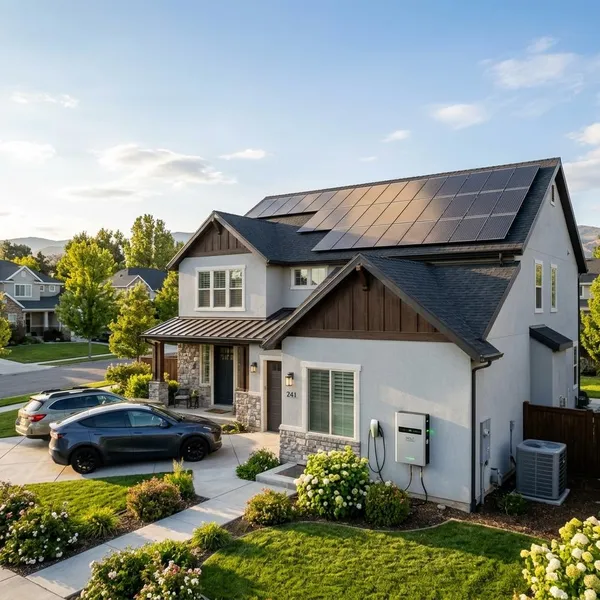
Battery storage can also help when electricity is expensive during late afternoon and evening hours. Instead of sending extra midday solar to the grid for a limited credit, the battery can hold that energy for the time when your home needs it more.
This matters most under time-of-use rates, demand charges, or weak solar export credits. If your utility still gives generous credit for exported solar and outages are rare, the financial case for a battery may be weaker.
It works best when system size matches energy goals
The best system is sized around a clear goal. One night of essential backup, daytime bill shifting, and near whole-home resilience are three different targets, and they should not produce the same design.
- Start with essentials: refrigeration, internet, lighting, charging, medical devices, and critical pumps.
- Set a runtime target: a few hours, overnight, or longer outage coverage.
- Separate comfort from necessity: AC, ovens, dryers, and EV charging need special planning.
- Check the proposal details: backed-up circuits, usable kWh, inverter output, surge limits, and expansion options.
Conclusion
The smartest battery backup plan starts with the loads you actually need, not with a promise of running everything. If your home has real outage risk, high evening rates, or low solar export value, a well-sized system can be a strong upgrade; if your needs are light and the grid is steady, a smaller setup or solar-only system may make more sense.