
For most households, a solar power generator kit for home is best for keeping essentials running, not for powering every circuit as if the grid were still on. Think lights, Wi-Fi, phones, a fridge, a freezer, or a medical device first; then decide whether you need a small portable unit, an expandable setup, or a larger system tied into selected home circuits.
What Can a Home Solar Generator Kit Power?
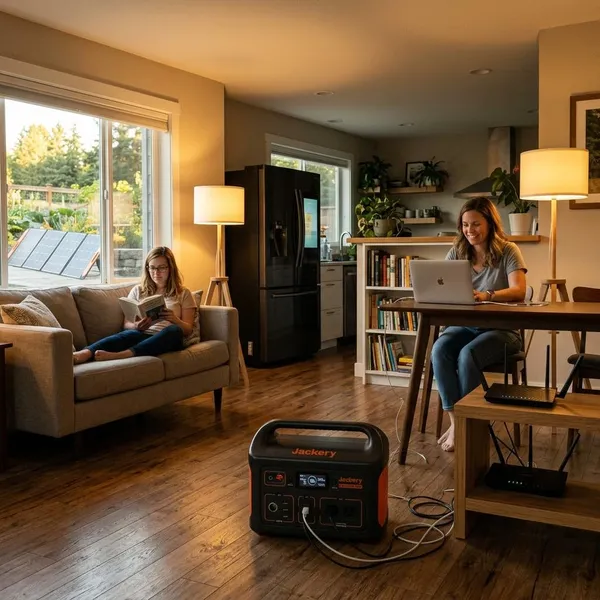
It runs lights, Wi-Fi, phones, and small devices
This is where even a modest kit can feel genuinely useful. A few LED lamps, a router, phone chargers, and a laptop usually draw far less power than major appliances, so they give you the best runtime for the battery size.
For an apartment, dorm, or small home with occasional short outages, this may be enough. Keeping one room lit, staying online, and charging devices can matter more than trying to run every appliance.
It supports refrigerators and essential appliances
Refrigerators and freezers are possible with many mid-size and larger kits, but they need more planning than lights or phones. Check both the running watts and the startup surge, because a compressor can need a short burst of power when it turns on.
It has limits with high-power equipment
High-power equipment is where expectations often get too optimistic. Space heaters, electric ovens, induction cooktops, dryers, large air conditioners, and some pumps can overload a smaller inverter or drain a battery quickly.
A solar generator works best when you choose loads deliberately. Running a microwave for a few minutes may be realistic on a suitable unit; running several heat-producing appliances together usually is not.
Why Choose a Solar Generator Kit for Home Backup?
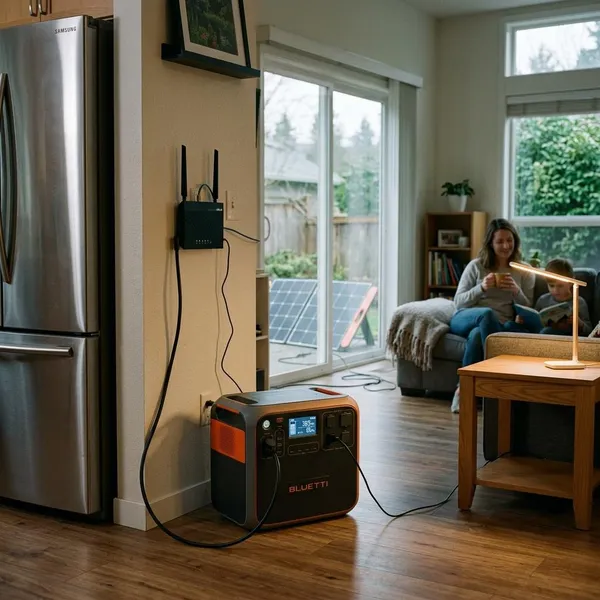
The main appeal is convenience. A solar generator gives you stored electricity without keeping gasoline on hand, pulling a cord in the rain, or placing a fuel-burning machine outside during a storm.
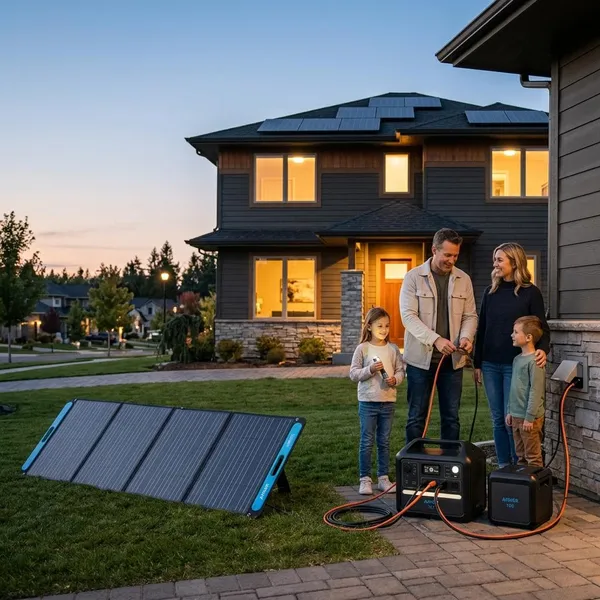
It also fills a gap between a small power bank and a permanent home battery system. Renters can use it without modifying the property, while homeowners can choose anything from simple extension-cord backup to a more organized selected-circuit setup.
It provides power during outages
If the battery is charged before the outage, power is available immediately. That makes it useful for night outages, work-from-home interruptions, food protection, and situations where someone needs a powered device without waiting for a fuel generator to be set up.
It runs quietly without fuel or emissions
A battery-based unit is quiet enough for indoor living spaces, apart from cooling fan noise on some models. It also avoids carbon monoxide because it does not burn fuel, although you still need to follow the manufacturer's ventilation and temperature instructions.
This is a major difference from gas generators, which must never be used indoors, in garages, or near open windows.
Can a Solar Generator Kit Power an Entire House?
Some large systems can support a broad part of a home, but most kits are not true whole-house replacements. The safer assumption is that a kit will power selected essentials unless it is specifically sized and installed for wider home backup.
Small kits cover essential home devices
Small kits are for basic continuity: communication, lighting, charging, and maybe a low-draw medical or comfort device. They are a good fit for short outages, renters, and people who want something simple to store and move.
Larger systems support more household circuits
Larger systems can support more appliances and may be paired with a transfer switch or inlet for selected circuits. That can be much cleaner than running extension cords through the house, but it also raises safety and installation questions.
- Simple use: plug devices directly into the generator.
- Selected circuits: use proper transfer equipment installed according to local rules.
- Avoid: backfeeding a home panel with unsafe cords or improvised wiring.
How to Size a Solar Power Generator Kit for Your Home?
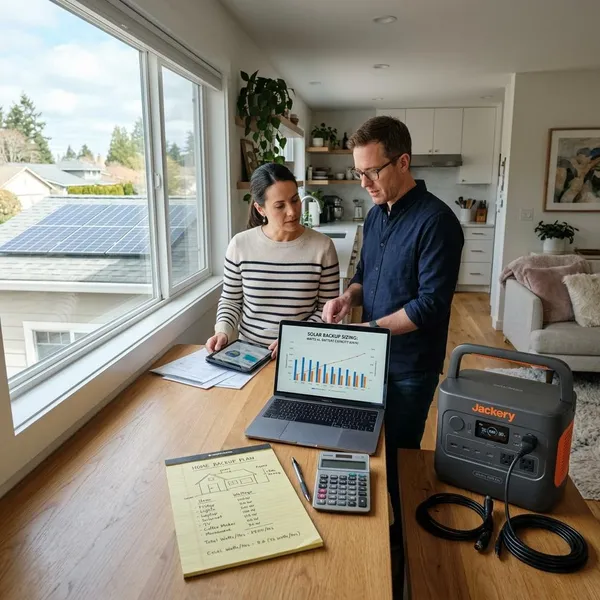
Start with the loads you cannot do without, then match the kit to those loads. The first number to check is not the biggest advertised wattage; it is whether the unit can start your most demanding appliance and run your priority devices for the outage length you actually expect.
List the devices you need during outages
Write two lists: essential and optional. Essentials might include a refrigerator, freezer, router, phone chargers, lights, CPAP machine, fan, sump pump, or a laptop for work. Optional loads are things you would like to use but can skip if the battery is limited.
A useful scenario test is simple: imagine a power cut from 6 p.m. to the next morning. What must stay on for food, health, communication, sleep, and basic safety? That list is usually smaller than the list people first imagine.
Add running watts and startup watts
Running watts tell you the normal draw. Startup watts matter for motors and compressors, especially refrigerators, freezers, pumps, and some tools.
| Device type | What to check first | Why it matters |
|---|---|---|
| Router, lights, phone chargers | Running watts | Usually low draw, good runtime value |
| Refrigerator or freezer | Startup surge and running watts | May fail to start if surge rating is too low |
| CPAP or medical device | Runtime need and stable output | Reliability matters more than best-case estimates |
| Heaters, ovens, dryers, large AC | Continuous wattage | Often too demanding for portable kits |
Match battery and inverter capacity
The battery decides how long you can run devices; the inverter decides what you can run. A large battery with a weak inverter may still fail on a fridge surge, while a powerful inverter with a small battery may run out too quickly.
Look for enough inverter headroom for your highest startup load and enough battery capacity for your target outage window. If your needs may grow, an expandable system can be more practical than replacing the whole unit later.
How Long Can a Solar Generator Run Common Devices?
Runtime changes with battery size, device wattage, inverter efficiency, temperature, and how the device behaves. The same generator may run a router for many hours but run a cooking appliance only briefly.
Use the battery for what protects the most value first: food, communication, lighting, medical needs, and safe temperature management. Entertainment and high-heat appliances can usually wait unless your system is clearly sized for them.
Refrigerators and freezers need steady backup power
Refrigerators and freezers are high-priority loads because food loss gets expensive quickly. They cycle rather than draw full power constantly, but warm rooms, frequent door opening, and older appliances can shorten runtime.
During a summer outage, treat refrigeration more seriously than during a cool-weather outage. Keep doors closed, group frozen items together, and avoid using battery power on less important loads while the compressor is catching up.
Electronics need less stored energy
Phones, routers, laptops, tablets, and LED lights are the easiest wins. They draw modest power and help you stay informed, work, communicate, and keep basic lighting without draining the battery as fast as appliances.
Medical and comfort devices need reliable runtime
For CPAP machines, oxygen-related equipment, mobility devices, or cooling fans during heat, plan with a reserve. Manufacturer wattage can vary by settings and accessories, so test the device on the generator before you need it in an emergency.
If a device is medically necessary, treat the solar generator as one layer of backup, not the whole plan. Keep charging options, spare batteries, or local emergency resources in mind where appropriate.
Which Solar Generator Kit Fits Your Home?
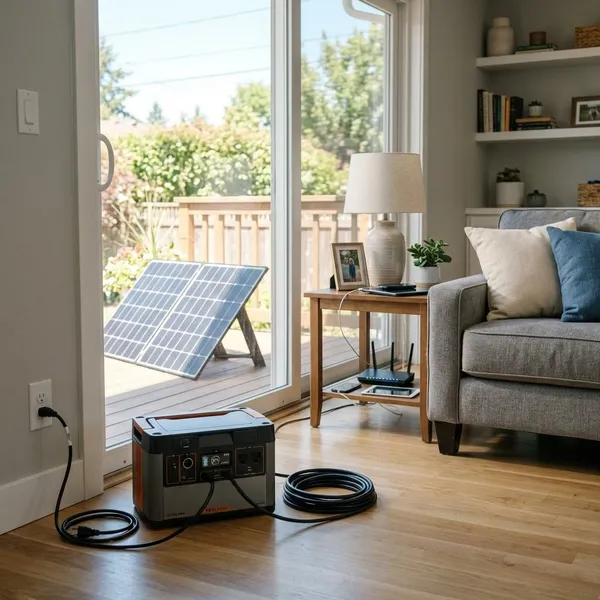
The right kit depends on how you live, how often outages happen, and what you are unwilling to lose power to. Bigger is not automatically better if it is too heavy to move, too expensive to expand, or more system than your actual outage pattern requires.
Portable kits suit apartments and short outages
Portable kits make sense for renters, apartments, condos, dorms, and homes with rare short outages. They are usually plug-and-play, easy to store, and strong enough for phones, Wi-Fi, lights, laptops, and small comfort devices.
The tradeoff is limited appliance support. If keeping a refrigerator running is a must, choose a larger portable model only after checking surge and runtime, not just the product name.
Expandable kits suit small and medium homes
Expandable kits are the middle ground for households that want more than emergency charging but do not need full-home backup. You can start with one battery and add capacity later if outage length, family needs, or appliance priorities change.
- Good fit: refrigerator, freezer, router, lights, fan, laptop, and occasional kitchen use.
- Better than small kits: longer runtime and more inverter headroom.
- Still limited: heavy heating, large AC, and multiple high-draw appliances at once.
How to Choose the Best Solar Generator Kit?
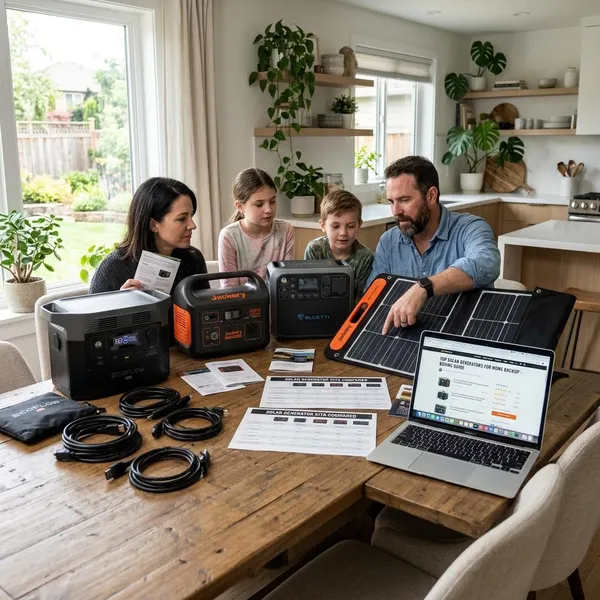
The best choice is the kit that matches your backup plan with the least guesswork. Look at the devices you will actually use, the outage length you are preparing for, the way you will recharge, and whether the unit is practical to store and move.
Match the kit with your backup goals
If your goal is communication and lighting, keep the setup simple. If your goal includes refrigeration, overnight medical-device use, or remote work through a full day outage, step up in battery capacity and inverter strength.
For frequent multi-day outages, solar input and expansion options become more important than a compact size. For one-night outages in a city apartment, portability may matter more than maximum wattage.
Compare size, features, and budget
Compare the full kit, not only the battery unit. Solar panels, cables, adapters, extra batteries, carts, covers, and transfer equipment can change the real cost.
- Capacity: enough watt-hours for your priority runtime.
- Output: enough continuous and surge power for key appliances.
- Recharge: wall charging speed and solar input that fit your outage pattern.
- Usability: weight, wheels, outlets, display, app control, and storage space.
- Expansion: extra batteries or panels if your needs may grow.
Choose based on your home situation
A renter may need a unit that rolls into a closet and powers devices directly. A homeowner with a garage may prefer a larger expandable setup. A family in a storm-prone region may value solar recharge and extra reserve more than a household that only sees brief outages once in a while.
One common mistake is buying for the most dramatic scenario while ignoring daily practicality. If the unit is too heavy to move, too slow to recharge, or too complicated for the people at home to use, it may not help when the power actually goes out.
Conclusion
A good home solar generator setup starts with a short essentials list, not with the biggest number on a product page. If it can start your hardest appliance, run your must-have devices for the outage length you expect, and recharge in a way that fits your weather and routine, it is far more useful than an oversized kit that looks impressive but does not match your home.