
When outages interrupt work, refrigeration, water pumps, or essential medical equipment, a solar system with battery and generator backup gives you layered protection instead of relying on a single power source. The battery keeps power flowing instantly, solar panels recharge it when sunlight is available, and the generator steps in during long cloudy periods or extended blackouts.
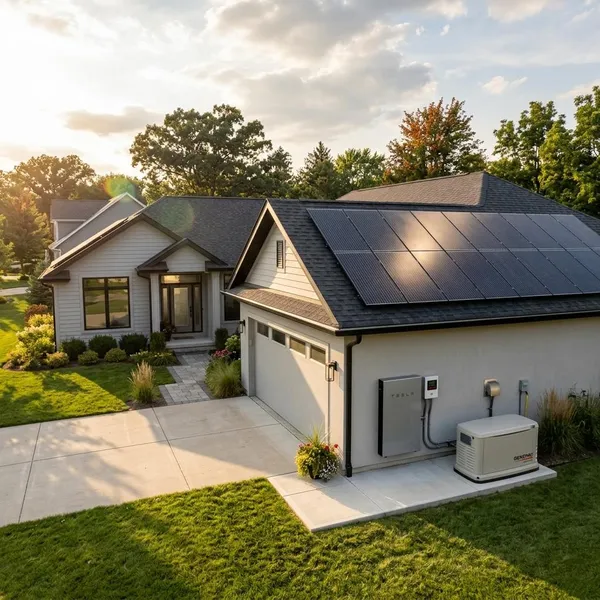
Why Choose a Solar Battery and Generator Backup System?
The main reason to combine solar, batteries, and a generator is simple: each one solves a different part of the outage problem. Solar can produce energy during the day, batteries keep power flowing without noise or delay, and the generator adds endurance when an outage lasts longer than expected.
It keeps power available during outages
Batteries are usually the first line of backup because they switch on quickly and quietly. For short outages or brief grid flickers, that may be all the home needs.
The generator becomes useful when the outage stretches into the night, solar production is weak, or the battery reaches a low reserve. In that situation, the system is not forced to choose between comfort and draining the battery too far.
It protects essential home loads
The smartest backup designs usually protect selected circuits instead of trying to run the entire house as if nothing happened. Refrigeration, lighting, internet, garage access, medical equipment, sump pumps, and a few outlets often matter more than ovens, dryers, or whole-home air conditioning.
- Good backup loads: low to moderate power, high practical value.
- Risky backup loads: high heat, high surge, or long runtime demand.
- Best first step: decide what must stay on before choosing battery size.
It reduces generator runtime and fuel use
A generator does not need to run for every small outage when a battery is part of the system. During the day, solar may carry some loads and recharge the battery, so the generator can stay off or run for shorter charging periods.
How Does the System Work?
The system works by routing power from solar panels, batteries, the grid, and the generator through backup-capable equipment. During normal conditions, solar can serve the home and charge the battery. When the grid fails, the system isolates the backed-up circuits from the utility and switches to stored power.
A standard grid-tied solar array usually cannot power a home during a blackout by itself. Backup operation requires the right inverter, battery connection, transfer equipment, and control settings so the home can run safely without feeding power back into the utility lines.
Solar power runs the home during normal use
On normal days, solar production is used by the home first when equipment and utility settings allow it. Extra solar may charge the battery, reduce grid purchases, or in some systems export energy to the utility.
For backup planning, do not judge solar only by annual savings. A roof that performs well in summer may be less helpful during winter storms, shaded mornings, or long cloudy periods, which are exactly the moments when backup support may matter most.
Batteries provide instant backup during outages
The battery covers the gap between grid failure and any longer-term backup response. That quick transition is useful for routers, electronics, refrigerators, alarms, and other loads that should not shut off every time the utility power drops.
Runtime depends less on the number of batteries in the proposal and more on what the home is actually drawing. A battery that comfortably runs lights and refrigeration overnight may drain much faster if it is also asked to run heating, cooling, or cooking loads.
Generators support longer power needs
The generator is the endurance layer. It can support the system when cloudy weather limits solar, when the outage lasts several days, or when the home has loads that batteries should not carry for long.
- Useful for rural outages: restoration may take longer after storms.
- Useful in winter: solar days may be shorter and less productive.
- Useful for heavy loads: pumps, HVAC equipment, or larger appliances may need extra support.
What Components Does the System Need?
A reliable backup system needs more than panels on the roof and a battery on the wall. The design has to include equipment that can isolate the home from the grid, manage stored energy, coordinate generator input, and keep the right circuits powered.
Solar panels provide renewable energy
Solar panels reduce fuel use by producing energy during daylight and, when the system allows it, recharging the battery during an outage. For resilience, the useful question is not only "How much solar fits?" but "How much usable solar do I get during the seasons when outages happen?"
Batteries store power for backup use
Batteries store energy for immediate use when the grid fails. When comparing batteries, look at usable capacity, continuous output, surge support, installation conditions, and whether the system can reserve some charge for emergencies.
A small battery may be enough for refrigeration, internet, lighting, and device charging. If the goal is to run pumps, HVAC equipment, or long overnight loads, battery size and inverter output both become more important.
Hybrid inverters manage energy flow
The hybrid inverter is the part that makes the system work as one coordinated setup. It manages solar input, battery charging, battery discharge, backup output, and sometimes generator charging.
One common mistake is focusing only on battery capacity while ignoring inverter power. A battery may store enough energy for the night, but an undersized inverter can still struggle with startup surges from pumps, refrigerators, or motor-driven equipment.
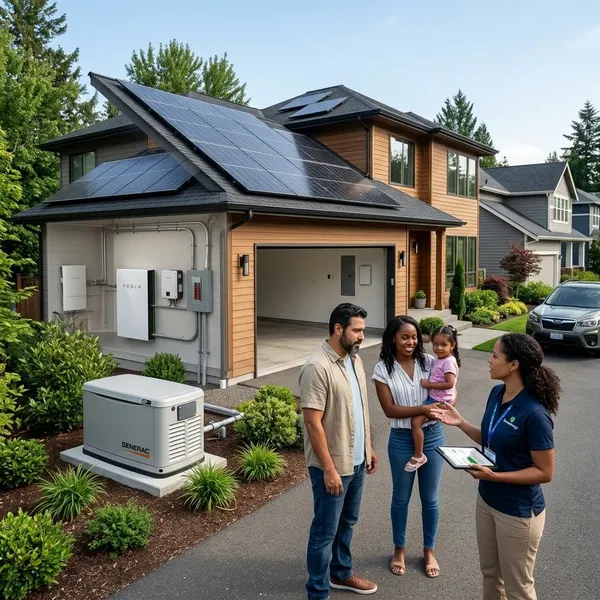
Who Should Use This Backup Setup?
This backup setup is not necessary for every home. It fits best when outages are frequent, long, costly, or risky enough that a battery-only or generator-only solution feels incomplete.
Grid-connected homes need stronger outage protection
Grid-connected homes often assume solar panels will keep working during a blackout, but that is not usually true for basic grid-tied systems. If outage protection is the goal, the system needs backup-capable hardware from the start.
This matters even in suburbs and cities. A home that loses power a few times each year during storms may not need a huge system, but it may benefit from a battery-backed essential panel and a generator plan for longer events.
Rural properties need reliable independent power
Rural homes often have the clearest need because utility restoration can take longer and daily life may depend on electric well pumps, pressure systems, gates, septic equipment, or workshop circuits.
For a rural property, the practical question is not just "Can I keep lights on?" It is "Can I still get water, preserve food, communicate, and handle a multi-day outage if the weather is poor?" That is where generator support can make a battery and solar setup much more dependable.
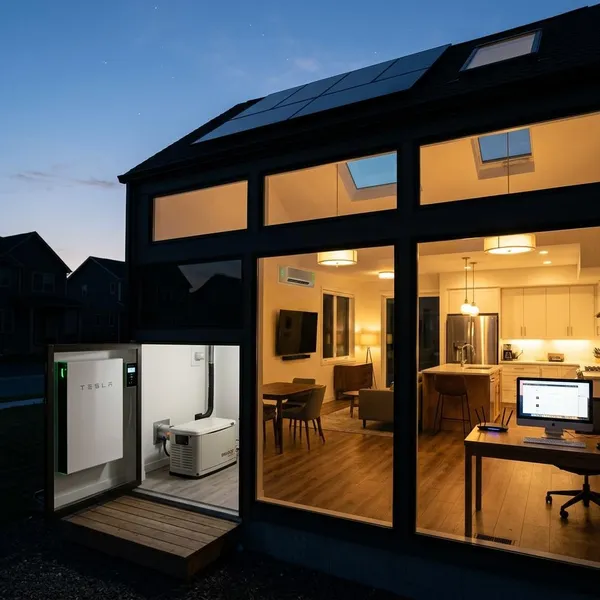
What Can This Backup System Power?
A hybrid backup system can usually power essential circuits and, if sized correctly, some larger appliances. The limit is set by battery capacity, inverter output, generator rating, solar production, and load management.
The most reliable designs start with must-run loads, then add comfort loads only if the budget and equipment can support them. Trying to back up everything without ranking priorities is one of the fastest ways to overspend or end up disappointed by runtime.
It supports lights, refrigeration, and essential devices
Lights, refrigerators, freezers, modem and router equipment, phone charging, and selected outlets are usually the best first loads to protect. They offer high practical value without demanding the same power as heating, cooling, or cooking equipment.
- First priority: food storage, safety, communication, and medical needs.
- Second priority: work devices, small appliances, and convenience outlets.
- Usually optional: electric ovens, dryers, EV charging, and resistance heating.
It supports larger appliances with proper sizing
Larger appliances are possible, but they should be named in the design before equipment is selected. Well pumps, sump pumps, garage door openers, microwave ovens, and some HVAC equipment may work if the inverter and generator can handle both running demand and startup surge.
Air conditioning deserves extra caution. A small efficient unit or variable-speed system may be realistic in some designs, while central air in a hot climate can quickly change the battery, inverter, generator, and budget requirements.
It extends runtime through battery and generator support
The hybrid approach is strongest when the system uses each source at the right time: solar during daylight, battery power for quiet immediate backup, and generator support when the outage outlasts the stored energy.
Runtime is not unlimited, though. Fuel supply, generator maintenance, weather, battery reserve settings, and household behavior all affect how long the system can keep going.
How to Choose the Right Backup Setup?
Start with the outage you are trying to survive, not with a brand name or a battery count. The right design for a home with brief summer outages is different from the right design for a rural property that may lose power for several winter days.
A useful proposal should show what will be backed up, what will not be backed up, how the generator interacts with the battery, and what assumptions were used for runtime. If those details are vague, the system may look impressive on paper but perform poorly when the grid actually fails.
Define your backup priorities first
Write down the circuits that must stay on, then separate them from loads that are only nice to have. This keeps the design grounded in real life instead of turning every appliance into a "critical" load.
- List medical, safety, refrigeration, water, and communication needs first.
- Add work-from-home or comfort loads only after essentials are covered.
- Decide whether the goal is hours, overnight support, or multi-day resilience.
- Mark high-demand loads that may need generator-only support or load control.
Check your site, fuel, and energy needs
Site conditions shape the system more than many homeowners expect. Roof shading, panel orientation, winter sunlight, battery placement, electrical panel space, and local permitting can all affect the final design.
Fuel planning is just as practical. Natural gas may be convenient where available, propane can work well for many rural homes, and any stored-fuel plan needs realistic refill expectations during widespread outages.
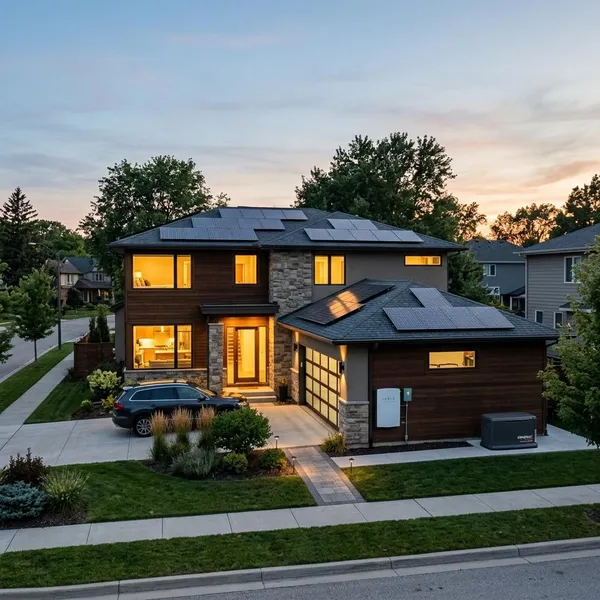
Conclusion
A combined solar, battery, and generator setup makes the most sense when you need fast backup and long-duration protection, not just a cleaner-looking energy system. Start by protecting the loads that truly matter, be honest about large appliances, and choose a design that explains how the system behaves during a real outage. If the proposal cannot show what stays on, what drops off, and when the generator runs, it is not specific enough yet.