
A home energy storage system is worth considering when you have solar panels, high peak electricity rates, or power outages that disrupt daily routines. The most sustainable solution is not necessarily the largest battery or the newest technology, but the one that fits your household's real energy use, backup priorities, available space, and long-term budget.
Why Do Homes Need Energy Storage?
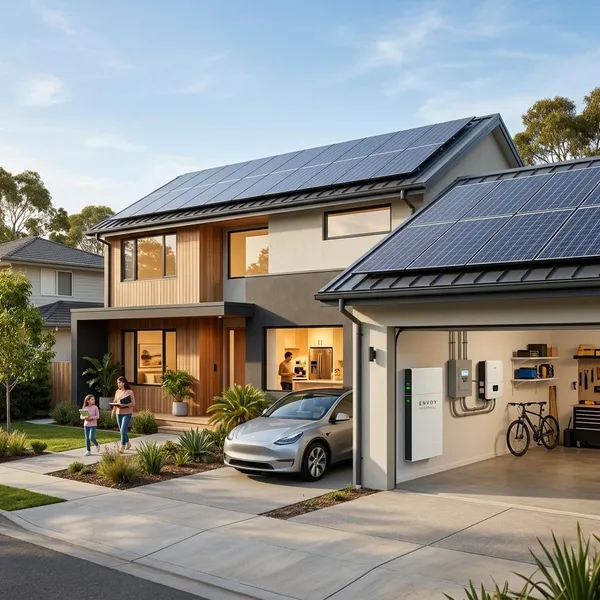
Homes need energy storage because electricity is rarely produced and used at the perfect time. Solar panels may generate plenty of power at midday, while a household often needs more electricity in the evening for cooking, lighting, devices, heating, cooling, or laundry.
Storage is most useful when it solves a clear problem: high evening rates, low solar export credits, unreliable grid service, or a desire to use more renewable energy directly. If none of those apply, a battery may still be appealing, but the financial case becomes weaker.
They reduce electricity costs through better energy use
A battery can lower costs by storing cheaper electricity or surplus solar power and using it when grid electricity is more expensive. This works best for homes on time-of-use pricing or with solar plans that pay little for exported electricity.
For example, a household that exports solar at noon and buys power back at a higher evening rate may gain real value from storage. A home with flat electricity rates and generous solar credits may see a much smaller saving.
They provide backup power during outages
Backup value depends on what you expect the system to run. Keeping a refrigerator, router, lights, phone charging, and a few outlets alive is very different from trying to run central air, an electric oven, a well pump, and an EV charger.
- Good backup target: essential circuits that keep the home safe and usable.
- Risky expectation: whole-home comfort during a long outage without a large system.
- Useful check: list the appliances you truly need before asking for quotes.
What Are the Main Home Energy Storage Options?
The main home storage options are electrical batteries and thermal storage. Batteries store electricity for later use, while thermal storage stores heat or cooling so a home can shift part of its heating, cooling, or hot water demand.
Most homeowners start with batteries because they are flexible. They can support backup power, solar self-consumption, and peak-rate savings. Thermal storage is narrower, but it can be a smart choice when heating, cooling, or water heating is the biggest energy cost.
| Option | Best fit | Main caution |
|---|---|---|
| Lithium batteries | Daily solar use, backup, peak-rate savings | Higher installed cost |
| Lead-acid batteries | Lower-budget or simple backup setups | Shorter life and less usable capacity |
| Alternative batteries | Material-sustainability priorities | Availability and service can be limited |
| Thermal storage | Heating, cooling, or hot water shifting | Does not replace electrical backup |
Lithium batteries offer efficient modern storage
Lithium batteries are the default modern choice for many grid-connected homes because they are compact, efficient, and designed for regular cycling. Lithium iron phosphate, often called LFP, is especially common in home storage because it is generally valued for long cycle life and thermal stability.
They are usually a strong fit if you plan to use the system every day with solar, not just keep it waiting for rare outages.
Alternative systems offer different sustainability benefits
Some homeowners look beyond mainstream lithium because they care about material sourcing, supply chains, or end-of-life impact. Sodium-based, saltwater, and certain flow battery designs may reduce dependence on some commonly discussed battery materials.
The practical catch is market maturity. Before choosing a less common system, check whether local installers can service it, whether replacement parts are realistic, and whether the warranty support is strong enough for a long-term home purchase.
Thermal storage supports heating and cooling needs
Thermal storage is useful when the goal is not "power everything," but "shift a large heating or cooling load." A home might heat water when electricity is cheaper, pre-cool before peak rates, or use a system that stores heat or cold for later use.
This option is easier to overlook than a wall-mounted battery, but in a home where HVAC or hot water dominates the bill, it may solve the right problem more directly.
How Do Home Energy Storage Systems Compare?
Compare storage systems by usable capacity, power output, efficiency, lifespan, maintenance, installed cost, and service support. Nameplate capacity alone can be misleading because not all stored energy is equally usable in daily operation.
A good comparison also starts with your use case. A solar household wants efficient daily cycling. A storm-prone home wants dependable backup behavior. A sustainability-focused buyer may accept a less common technology only if support and warranty risks are manageable.
Lithium batteries provide high efficiency and long life
Lithium batteries usually offer the best balance for regular home use: strong efficiency, low maintenance, and good lifespan compared with older battery types. That matters most when the battery charges and discharges often, such as in a solar home that uses stored energy every evening.
Lead-acid batteries trade performance for lower cost
The main tradeoff with lead-acid is that the cheaper upfront price can hide lower usable energy and earlier replacement. If a quote looks much cheaper, ask how much capacity is actually usable, how deep the battery can be discharged, and what maintenance is expected.
- Acceptable use: simple, occasional backup where cost matters most.
- Less ideal use: daily solar cycling for many years.
- Common mistake: comparing only sticker price instead of lifetime cost.
Alternative technologies reduce dependence on common materials
Alternative technologies can reduce reliance on some conventional battery materials, but they should not be chosen on sustainability claims alone. A battery that is hard to service locally can become wasteful if support disappears or replacement parts are difficult to get.
Which Energy Storage System Fits Your Home Goals?
The right system depends on your first priority. Choosing by chemistry before choosing the goal often leads to overspending or disappointment.
Start with one question: what would make the system feel successful in your home? A family working from home during frequent outages will judge success differently from a solar homeowner trying to reduce evening grid purchases.
- List essential loads. Separate must-have circuits from comfort loads.
- Check your rate plan. Peak pricing and solar export credits strongly affect value.
- Match storage to usage. Daily cycling, backup-only, and off-grid use need different designs.
- Ask about total installed cost. Include electrical work, inverter needs, permits, warranty, and maintenance.
Backup-focused homes need reliable stored power
For backup, reliability matters more than chasing the lowest cost per kilowatt-hour. The system should switch safely, support the right circuits, and have enough power output for loads that may start at the same time.
A low-risk setup might only protect the refrigerator, Wi-Fi, lights, and charging. A higher-risk home with medical devices, a well pump, or frequent multi-day outages needs a more careful design and may need solar or a generator as an additional charging source.
Solar homes need better energy self-use
Solar homes usually need a battery sized around surplus daytime production and evening demand. Too small, and useful solar still gets exported. Too large, and the battery may sit partly empty for much of the year.
Off-grid homes need larger storage capacity
Off-grid storage has to carry daily life, not just soften a bill or bridge a short outage. That means sizing for cloudy weather, seasonal production changes, appliance starting loads, and the backup plan when solar production is weak.
This is where under-sizing hurts quickly. A small system may look affordable at purchase, but it can lead to heavy generator use, stressed batteries, and a less comfortable home.
How Do You Size a Home Energy Storage System?
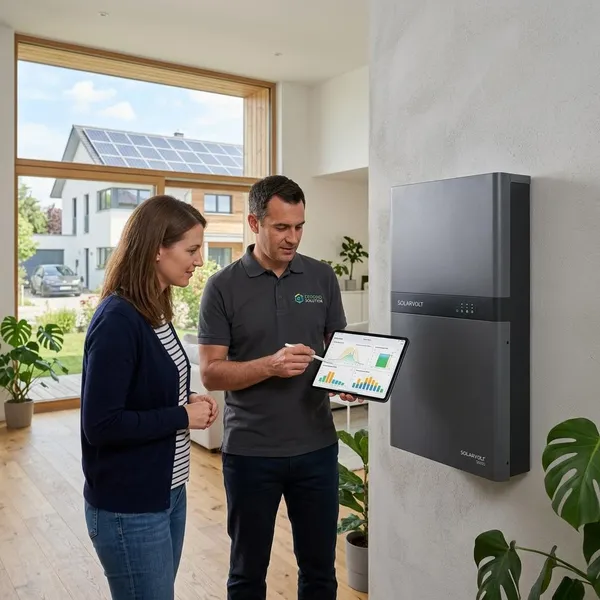
Size a home energy storage system from real usage, not guesswork. The first numbers to gather are daily electricity use, evening or peak-rate use, solar production, and the loads you want protected during an outage.
Bigger is not automatically better. An oversized battery can cost more while sitting underused, and an undersized one can run out before it delivers the comfort or savings you expected.
Daily energy use determines battery needs
Daily use gives the first sizing boundary, but the more useful number is the portion you want the battery to cover. For bill savings, look at evening or peak-rate use. For backup, count only essential circuits unless you are prepared for a much larger system.
- Check bills: compare monthly use across seasons.
- Check timing: identify when energy use is highest.
- Check essentials: list what must run during an outage.
Backup time determines required capacity
The longer you want backup power, the more capacity you need or the fewer loads you must run. A few hours for basic circuits is one sizing problem; overnight comfort or multi-day resilience is another.
Do not size backup around perfect weather. If storms or wildfire shutoffs are the reason for buying storage, assume solar recharge may be limited when you need it most.
Is Home Energy Storage Worth It?
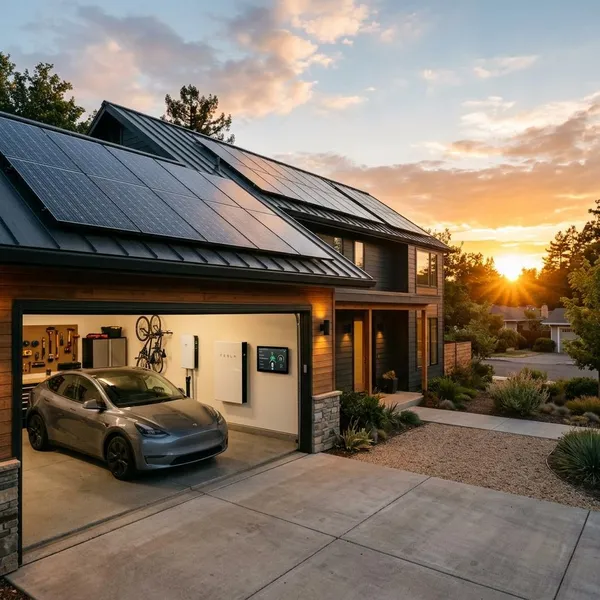
Home energy storage is worth it when it solves a problem you actually have. The strongest cases are usually homes with solar surplus, high peak rates, low export credits, frequent outages, or important loads that need backup.
The weakest cases are homes with low electricity use, stable grid service, flat rates, no solar, and no strong resilience need. In that situation, efficiency upgrades, solar, or simply waiting may deliver better value first.
It works best for high energy users
High energy users have more room to shift power, store solar, and avoid peak-rate purchases. Homes with electric heating, air conditioning, heat pumps, large evening loads, or EV charging may see stronger value, especially when paired with solar.
The important caveat is load control. If every large appliance is allowed to run during backup, even a good battery can drain quickly.
It provides less value for low-use homes
Low-use homes often have fewer savings opportunities, so payback can be slow. A battery may still make sense for peace of mind, remote work, medical equipment, or unreliable grid service, but that is a resilience decision more than a pure savings decision.
Conclusion
A good home storage choice starts with the problem, not the battery brochure. If you know what must stay powered, when your electricity is expensive, how much solar you can store, and what you are willing to spend over the system's life, the best option becomes much easier to spot—and the wrong ones become easier to avoid.