The right backup generator size comes down to the appliances and systems you need during an outage, not simply the size of your house. By adding up the running watts of essential loads and allowing extra capacity for startup surges from motors, pumps, refrigerators, and air conditioners, you can choose a generator that is powerful enough without overspending. Some homes only need a small unit for basic essentials, while others require a mid-size generator for key systems or a larger standby generator for near whole-home backup.
What Size Backup Generator Do You Need?
A useful first estimate is to choose between essential backup, key-system backup, and near whole-home backup. That decision matters more than the number of bedrooms because one modest home may have gas heat and low electrical demand, while another may rely on a well pump, sump pump, electric cooking, and central air.
Small generators power essential home devices
A small generator is usually enough if your outage plan is simple: keep food cold, charge phones, run internet equipment, use a few LED lights, and maybe power a TV or laptop. This is often the practical choice for short outages, apartments, smaller homes, or anyone who is willing to skip high-demand appliances until utility power returns.
Medium generators support major household systems
Medium generators are the common middle ground for single-family homes. With careful load management, this range can often support a refrigerator, freezer, lights, internet, microwave, gas furnace blower, and one or two important pumps.
This size makes sense for a family that wants the house to stay livable during a storm but does not expect everything to work normally. For example, you might run the sump pump and refrigerator continuously, then use the microwave briefly while avoiding laundry, electric oven use, or central air unless the generator is sized for it.
Large generators provide whole-home backup
Large generators are for homeowners who want fewer compromises during long outages. They are more likely to support central air planning, multiple kitchen circuits, pumps, lighting, home office equipment, and more everyday comfort loads.
What Determines the Right Generator Size?
Generator size comes down to three things: the power your appliances use while running, the extra surge they need when starting, and what you expect life at home to look like during an outage. If you skip any one of those, the final number can be misleading.
Running watts show daily power needs
Running watts are the steady power an appliance needs after it is already operating. Add the running watts for the items that may be on at the same time, not every appliance you own.
- Must-have loads: refrigerator, freezer, sump pump, well pump, furnace blower, medical equipment.
- Comfort loads: microwave, TV, selected outlets, fans, home office gear.
- Usually optional: electric oven, clothes dryer, electric water heater, multiple large kitchen devices.
Starting watts handle temporary power surges
Starting watts are the short burst of power needed by appliances with motors or compressors. Refrigerators, freezers, air conditioners, sump pumps, and well pumps can all need more power to start than to keep running.
This is where many generator plans fail. The running load may look reasonable on paper, but the generator can still overload when a pump and refrigerator try to start close together. If a motor-driven appliance is important, check its starting requirement before treating it as covered.
Which Appliances Affect Generator Size Most?
The appliances that shape generator size are usually the ones that run often, start hard, or produce heat. A phone charger will not change the decision much. A well pump, central AC compressor, or electric range can change the entire category.
Refrigerators and kitchen devices need steady power
Refrigerators and freezers are priority loads because they protect food and cycle throughout the day. They are not always huge running loads, but their compressor startup must be included.
Kitchen appliances need more judgment. A microwave can be useful because it runs briefly. A toaster oven, coffee maker, or electric kettle may be fine if used one at a time. An electric oven or range is usually a poor match for a small or medium emergency setup because it can consume capacity that would be better reserved for pumps, refrigeration, or heat.
Air conditioners and pumps need extra startup power
Central air, well pumps, and sump pumps deserve special attention. They often decide whether a medium generator is enough or whether you need a larger unit, a soft-start solution, or a standby system.
Lights and electronics add smaller loads
LED lights, routers, laptops, TVs, and phone chargers are usually easy to support compared with HVAC, pumps, or electric heating. Still, they should be counted because they create a constant background load during a long outage.
- Easy to include: LED lights, modem, router, phone charging, laptop.
- Worth limiting: multiple TVs, gaming computers, extra monitors.
- Check first: security systems, medical devices, home office equipment that cannot shut down.
What Generator Size Fits Different Homes?
Home size can help you picture the situation, but it should not be the sizing method. A 2,000-square-foot home with gas heat and city water may need less backup power than a smaller rural home with a well pump, sump pump, electric water heater, and central air.
Small generators support basic emergency needs
Small generators fit households that can tolerate a stripped-down outage routine. Think refrigerator, freezer if the load allows, a few lights, internet, charging, and one small convenience appliance used carefully.
This works best for short outages or low-risk situations where losing central air, laundry, or electric cooking for a day or two is inconvenient but manageable. It is not the right choice if you need to guarantee pump operation, medical equipment, or heating support without constant load juggling.
Medium generators run key home systems
A medium generator is often the practical answer for a typical home that wants more than phone charging and lights. It can cover the systems that make an outage manageable: food storage, basic heat with a gas furnace blower, selected outlets, a microwave, and important pumps.
A 10,000-watt generator may run many household essentials, but that does not mean it will run the whole house as usual. Central air, electric heat, an electric range, and a clothes dryer can exceed the plan quickly if several are used together.
Which Generator Type Should You Choose?
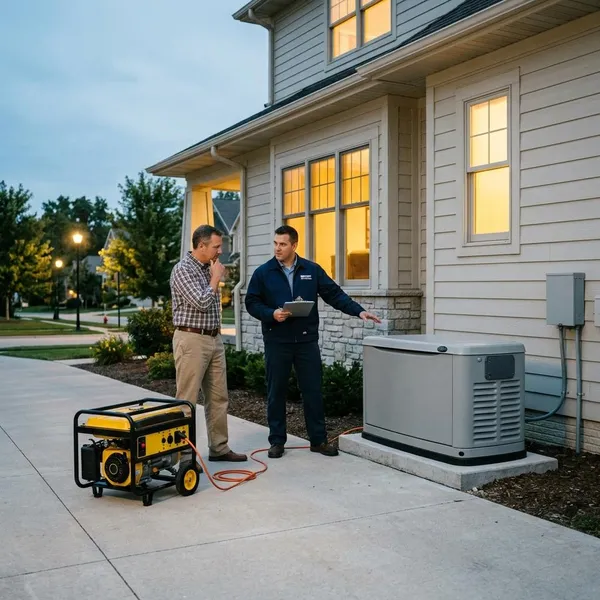
After you estimate wattage, choose the type of generator that matches how you want to use it. The right unit is not just the one with enough watts; it also needs to fit your fuel access, noise tolerance, setup comfort, and outage frequency.
Portable generators offer flexible backup power
Portable generators are usually the budget-friendly route for essential or key-system backup. They work well when outages are occasional and someone is able to move the unit outdoors, connect it safely, refuel it, and manage loads.
Inverter generators provide quiet efficient power
Inverter generators are a strong fit for essentials-only backup when noise, fuel use, and cleaner power matter. They are especially appealing for neighborhoods, overnight use, electronics, and smaller loads such as a refrigerator, router, lights, and charging.
The tradeoff is capacity. Many inverter models are not intended for central air, several pumps, or near whole-home backup. They are best when your plan is focused and disciplined rather than broad.
Standby generators deliver automatic backup
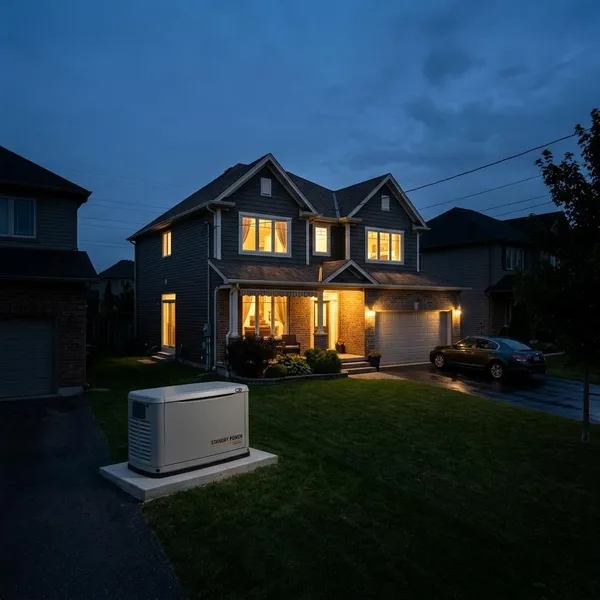
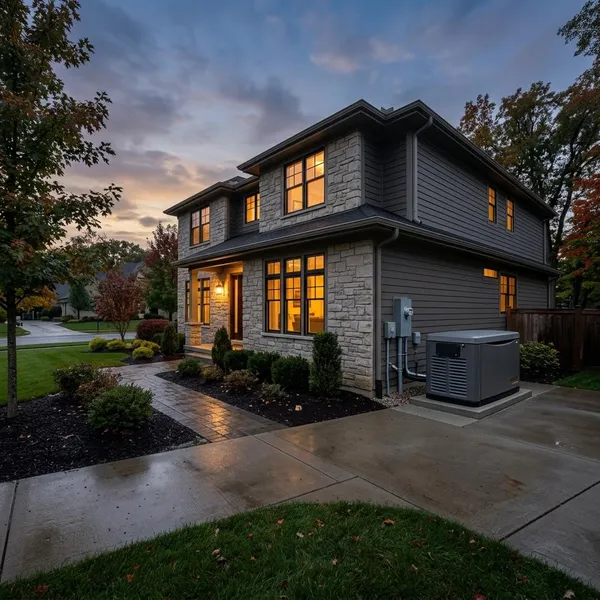
Standby generators are the most convenient option because they are permanently installed and can start automatically when utility power fails. They are usually the better fit for long outages, frequent outages, larger homes, or households where manual setup would be difficult.
They also require the most planning. Fuel supply, transfer switch design, load management, local code requirements, and installation quality all affect the final result, so professional sizing is worth it before committing to a system.
Common Generator Sizing Mistakes
The biggest mistakes usually come from choosing a generator by a shortcut instead of by real loads. A generator can be too small to start key equipment, but it can also be larger, louder, thirstier, and more expensive than your actual outage plan requires.
Choosing size based only on home size
Square footage is a weak sizing tool. It tells you almost nothing about whether the home has electric heat, central air, a well pump, a sump pump, or mostly gas appliances.
Ignoring startup power needs
Startup surge is easy to miss because it only lasts briefly, but it is often the difference between a generator that works and one that trips out. Any load with a compressor or motor should be checked for both running and starting watts.
- High priority: well pump, sump pump, central AC, refrigerator, freezer.
- Manage carefully: microwave, coffee maker, window AC, power tools.
- Avoid combining casually: several motor loads starting at the same time.
Leaving no room for future loads
Sizing exactly to today's minimum leaves little flexibility. A new freezer, a home office setup, a security system, or a different heating need can make a once-adequate generator feel undersized.
A modest buffer is usually smarter than buying at the absolute edge, but bigger is not automatically better. Extra capacity should match a likely future need, not a vague fear that you might want to run everything someday.
Conclusion
The best generator size is the smallest one that safely covers your real outage priorities with enough room for startup surges and a reasonable buffer. If you only need food, lights, internet, and charging, stay focused and avoid paying for capacity you will not use; if your home depends on pumps, central air, medical devices, or frequent long outages, size the system more carefully and get the installation checked before relying on it.